
Fentanyl addiction is a serious public health concern affecting individuals, families, and communities throughout the United States. As a powerful synthetic opioid, fentanyl can cause severe physical dependence and increase the risk of a life-threatening overdose. Illegally manufactured fentanyl is often found in counterfeit prescription pills and other illicit drugs, sometimes without the user’s knowledge.
Understanding how fentanyl affects the brain and body, recognizing the signs of addiction, and learning about available treatment options can help individuals take meaningful steps toward recovery.
For people struggling with opioid use, professional treatment and ongoing support can make a significant difference. At 10 Acre Ranch, individuals and families can explore treatment resources and learn more about the path toward a healthier, substance-free life.
What Is Fentanyl?
Fentanyl is a synthetic opioid that is used medically to manage severe pain, including pain associated with major surgery and certain serious medical conditions. When prescribed and administered appropriately by healthcare professionals, it can provide effective pain relief.
However, fentanyl is approximately 50 to 100 times more potent than morphine. Its potency makes it particularly dangerous when used without medical supervision. Illegally manufactured fentanyl is often mixed into other drugs or pressed into counterfeit prescription pills without the user’s knowledge.
A person may believe they are taking a familiar medication or another substance without realizing it contains fentanyl. This uncertainty can significantly increase the risk of accidental overdose.
Fentanyl affects the central nervous system by binding to opioid receptors involved in pain perception and breathing. Although it may produce feelings of relaxation or euphoria, it can also slow breathing to dangerous levels. Repeated misuse can lead to opioid use disorder, a medical condition that may require comprehensive treatment.
Understanding Fentanyl Addiction
Fentanyl addiction, clinically referred to as opioid use disorder when diagnostic criteria are met, involves a problematic pattern of opioid use that causes significant distress or impairment. It can affect people from different backgrounds, regardless of age, occupation, or financial circumstances.
Fentanyl changes how the brain processes pleasure, reward, and pain. With repeated exposure, the brain can adapt to the drug, leading to tolerance and physical dependence. Tolerance means a person may need more of the substance to experience similar effects, while physical dependence means the body has adapted and may experience withdrawal symptoms when use decreases or stops.
These changes can make stopping fentanyl difficult without appropriate support. Some individuals continue using it to avoid withdrawal symptoms rather than to experience its initial effects.
It is important to understand that addiction is not simply a lack of willpower. Opioid use disorder is a treatable medical condition influenced by biological, psychological, and environmental factors. Compassionate care can help individuals address these challenges without shame or judgment.
Why Is Fentanyl So Dangerous?
Fentanyl’s potency and rapid effects contribute to its overdose risk. Illegally manufactured fentanyl may vary in strength, making it difficult for individuals to know how much they are taking.
Several factors make fentanyl especially dangerous:
- High potency: Small quantities can cause serious respiratory depression and potentially fatal overdose.
- Unknown drug contents: Counterfeit pills and other illicit substances may contain fentanyl without the user’s knowledge.
- Risk of mixing substances: Combining fentanyl with alcohol, benzodiazepines, or other sedating substances can increase the risk of dangerous breathing problems.
- Tolerance changes: After a period without opioids, tolerance may decrease, increasing overdose risk if a person returns to previous amounts.
- Unpredictable exposure: The amount and distribution of fentanyl in illicit drugs can be inconsistent.
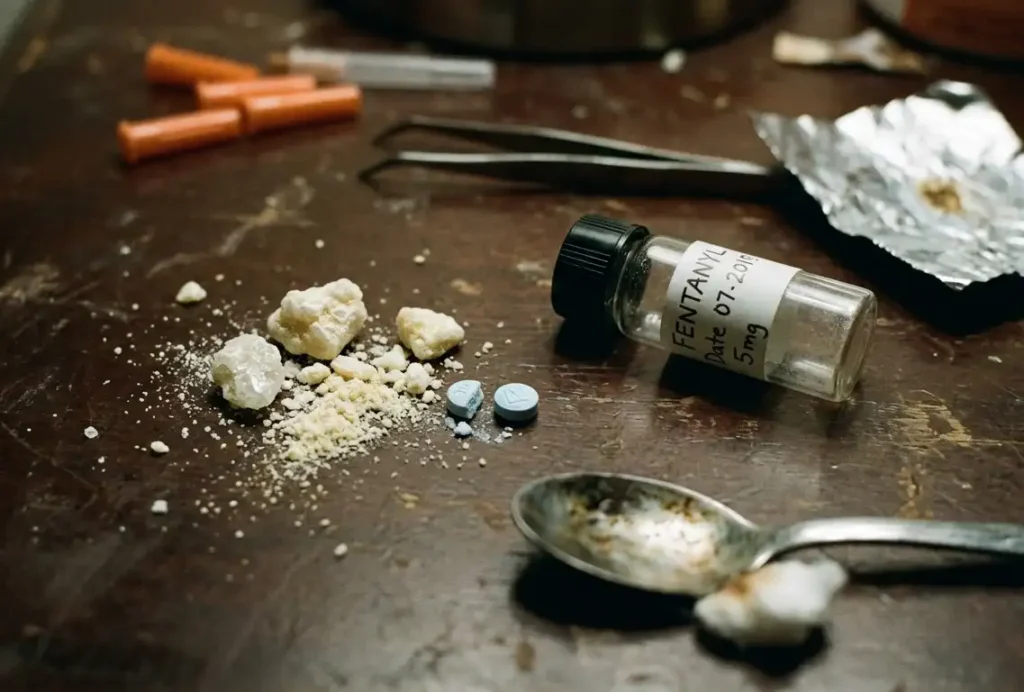
Fentanyl can be dangerous even for people who do not consider themselves opioid users. A person may accidentally consume it through a counterfeit pill or a substance contaminated during illegal production.
Avoiding illicit drugs and using prescription medications only as directed by a healthcare professional are important ways to reduce exposure risk.
Recognizing the Signs of Fentanyl Addiction
Recognizing the warning signs of fentanyl addiction can help individuals and their loved ones seek assistance earlier. Symptoms vary, and not everyone experiences the same behavioral or physical changes.
Common signs may include:
- Strong cravings or persistent thoughts about obtaining or using opioids.
- Taking more fentanyl than intended or using it for longer than planned.
- Repeated unsuccessful attempts to reduce or stop use.
- Spending significant time obtaining, using, or recovering from the substance.
- Neglecting work, school, family responsibilities, or personal interests.
- Continuing to use despite physical, emotional, financial, or relationship problems.
- Experiencing withdrawal symptoms when fentanyl use decreases or stops.
- Withdrawing from friends and family or concealing substance use.
Physical signs can include drowsiness, confusion, nausea, constipation, and constricted pupils. These symptoms are not enough on their own to establish a diagnosis, but they may indicate that a medical evaluation is needed.
If you suspect that someone is struggling with opioid addiction, approach the conversation with compassion. Expressing concern without blame can help create an opportunity to discuss professional treatment.
Fentanyl Overdose: Warning Signs and Emergency Response
A fentanyl overdose is a medical emergency. Because opioids suppress the body’s ability to breathe, an overdose can cause oxygen deprivation, brain injury, and death.
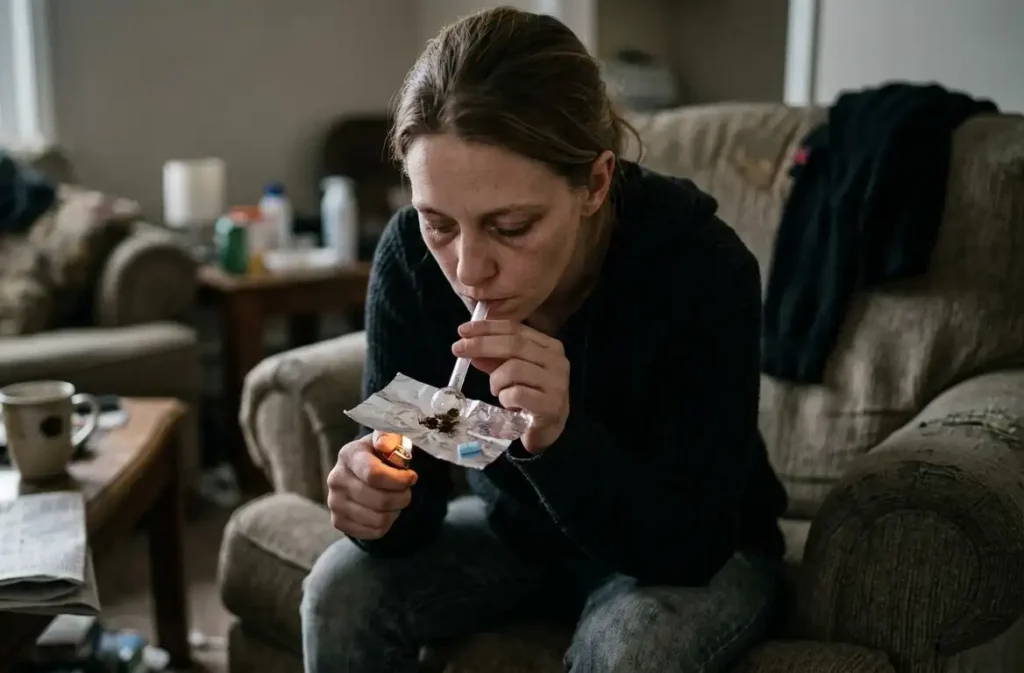
Recognizing the warning signs and responding quickly can save a life.
Signs of a possible opioid overdose include:
- Very slow, shallow, irregular, or stopped breathing.
- Inability to wake the person or respond to stimulation.
- Blue, gray, or unusually pale lips and fingernails.
- Pinpoint pupils.
- Limpness, choking sounds, or unusual gurgling.
- Cold or clammy skin.
If an overdose is suspected, call 911 immediately. Administer naloxone, an opioid overdose reversal medication, if available, and follow the product instructions. If the person does not respond, additional doses may be needed according to the instructions and emergency guidance.
Provide rescue breathing or CPR if appropriate and follow the emergency dispatcher’s directions. Stay with the person until emergency responders arrive. Even if naloxone restores breathing or consciousness, emergency medical evaluation remains essential because overdose symptoms can return.
Naloxone can reverse opioid effects temporarily, but it does not treat the underlying addiction. Keeping naloxone accessible and learning how to use it can help individuals and families prepare for an emergency.
Need Help? Let’s Talk!
Your path to recovery begins with a simple conversation.
Call now to speak confidentially with an admission counselor.
Fentanyl Withdrawal: What to Expect
People who develop physical dependence on fentanyl may experience withdrawal when they reduce their use or stop taking it. Symptoms can be uncomfortable and may contribute to continued substance use without medical support.
Common opioid withdrawal symptoms include:
- Muscle aches and body pain.
- Sweating, chills, and goosebumps.
- Anxiety, restlessness, or irritability.
- Insomnia and difficulty sleeping.
- Runny nose and watery eyes.
- Nausea, vomiting, or diarrhea.
- Abdominal cramps.
- Intense cravings for opioids.

Withdrawal timing and severity vary depending on the person’s pattern of use, health, and other substances involved. Although opioid withdrawal is not usually fatal on its own, complications such as dehydration can occur, and co-occurring medical conditions may increase risks.
Fentanyl’s pharmacological characteristics can also complicate treatment initiation with certain medications. For example, starting buprenorphine too soon after recent opioid use can trigger precipitated withdrawal in some circumstances. A qualified healthcare professional can assess the appropriate timing and treatment approach.
Individuals should seek medical guidance rather than attempting to manage severe withdrawal alone. Professional support can help reduce discomfort, monitor complications, and establish a plan for continued treatment.
Treatment Options for Fentanyl Addiction
Recovery from fentanyl addiction is possible, and treatment can be tailored to an individual’s medical history, symptoms, circumstances, and goals. Effective care may combine medication, behavioral therapies, medical monitoring, and long-term recovery support.
1. Medication for Opioid Use Disorder
Medications are an important evidence-based option for treating opioid use disorder.
Buprenorphine helps reduce cravings and withdrawal symptoms. Methadone can also reduce cravings and withdrawal when provided through appropriate treatment services. Naltrexone blocks opioid effects and may be an option for individuals who have completed the required opioid-free period and meet medical criteria.
These medications have different benefits, risks, and requirements. A qualified healthcare professional can help determine which option is appropriate. Medication treatment should not be withheld simply because someone has experienced a relapse or has a complicated history of substance use.
2. Behavioral Therapy and Counseling
Behavioral therapies can help individuals understand the thoughts, emotions, and circumstances associated with substance use.
Cognitive behavioral therapy may help people recognize harmful thinking patterns, develop healthier coping skills, and respond more effectively to triggers. Counseling can also address stress, relationship difficulties, emotional challenges, and other factors that may contribute to continued substance use.
Treatment works best when it considers the individual’s needs rather than relying on a one-size-fits-all approach.
3. Medical Detoxification and Withdrawal Support
Some individuals benefit from medically supervised withdrawal management before transitioning into ongoing treatment. During this process, healthcare professionals monitor symptoms and help manage complications.
Detoxification alone is not a complete treatment for opioid use disorder. Without continued care, cravings and the risk of returning to opioid use may remain high. Following detoxification with appropriate medication treatment, counseling, and recovery support can help improve outcomes.
Because overdose risk increases when tolerance decreases, returning to previous opioid use after a period of abstinence can be especially dangerous.
4. Residential and Outpatient Treatment
Residential treatment may provide a structured environment for individuals who need intensive support away from everyday triggers. Outpatient programs allow people to attend treatment while continuing to manage certain work, family, or personal responsibilities.
The appropriate level of care depends on clinical needs, safety concerns, available support, and other individual circumstances. A professional assessment can help determine the most suitable treatment setting.
5. Ongoing Recovery Support
Recovery continues beyond the initial phase of treatment. Follow-up appointments, peer support groups, counseling, and relapse prevention planning can help individuals maintain progress.
Developing healthy routines, improving sleep, managing stress, and building supportive relationships can also strengthen recovery. If a return to substance use occurs, seeking help promptly is essential. It should be treated as a reason to reassess the treatment plan, not as a personal failure.
How Families Can Support Someone With Fentanyl Addiction
Watching a loved one struggle with fentanyl addiction can be frightening and emotionally exhausting. Family members may feel uncertain about what to say or how to help.
Start by expressing concern calmly and focusing on specific behaviors rather than making accusations. Encourage the person to speak with a qualified healthcare professional and offer practical assistance, such as helping them find treatment resources or attend an appointment.
Learning about opioid use disorder can also help families understand why stopping may be difficult and why professional care matters.
It is equally important to establish healthy boundaries and protect your own well-being. Family counseling or support groups may provide guidance during this process. If an overdose occurs, prioritize emergency medical assistance rather than attempting to manage the situation alone.

Take the First Step Toward Recovery at 10 Acre Ranch
Fentanyl addiction can affect nearly every aspect of a person’s life, but effective treatment and ongoing support can help individuals move toward meaningful change. Understanding the risks, recognizing the warning signs, and exploring evidence-based care are important first steps.
At 10 Acre Ranch, a Southern California drug and alcohol addiction treatment center, individuals and families can reach out to learn about available treatment options and resources for substance use concerns.
If you or someone you love is struggling with fentanyl or another substance, you do not have to face the situation alone. Contact 10 Acre Ranch to discuss your concerns, explore appropriate care options, and take the next step toward a healthier future.
Recovery can begin with one conversation. Seeking help today can open the door to a safer, healthier tomorrow.