
Prescription drug abuse is a serious health concern that can affect people from all walks of life. Medications prescribed by doctors are intended to treat medical conditions, manage pain, improve sleep, or address mental health concerns. However, when these medications are taken in ways other than prescribed, used without a prescription, or taken for their mind-altering effects, they can lead to dependence, addiction, and potentially life-threatening complications.
For individuals and families affected by prescription drug misuse, understanding the warning signs and available treatment options is an important first step toward recovery. Although prescription medications can be beneficial when used correctly, certain drugs carry a significant risk of misuse, particularly when taken in higher doses or for longer periods than recommended.
At 10 Acre Ranch, individuals can explore treatment options and receive support as they work toward a healthier, substance-free life. With appropriate professional care, recovery from prescription drug addiction is possible.
What Is Prescription Drug Abuse?
Prescription drug abuse, also called prescription medication misuse, occurs when someone uses a medication in a way that differs from its prescribed or medically intended use. This may involve taking larger doses than directed, using another person’s medication, taking a prescription for its effects rather than its intended purpose, or changing how a medication is administered without medical guidance.
Prescription drug misuse can involve medications that are legally obtained and initially used for legitimate medical reasons. For example, a person who receives a prescription for pain relief after surgery may gradually begin taking more medication than prescribed. Another person may misuse anti-anxiety medication to cope with everyday stress or take prescription stimulants to stay awake and improve concentration.
Not every person who takes prescription medication develops an addiction. Many people use these medications safely under medical supervision. However, certain medications can cause physical dependence, and some can lead to a substance use disorder, particularly when misused.
It is also important to understand that physical dependence and addiction are not identical. Physical dependence occurs when the body adapts to a medication and experiences withdrawal symptoms when the dose is reduced or the medication is stopped. Addiction involves a problematic pattern of use, such as cravings, impaired control, and continued use despite harmful consequences. A person may develop physical dependence while following a legitimate treatment plan without having an addiction.
Common Types of Prescription Drugs That Are Misused
Several categories of prescription medications have a higher potential for misuse and addiction. Understanding these medications can help individuals recognize risks and seek help when necessary.
1. Prescription Opioids
Prescription opioids are medications used to treat moderate to severe pain. Examples include oxycodone, hydrocodone, morphine, and codeine. These medications work by interacting with opioid receptors in the brain and nervous system to reduce pain.
Although opioids can be appropriate for certain medical conditions, they can also produce feelings of relaxation or euphoria. Misuse can lead to opioid use disorder, physical dependence, and overdose.
Taking more than prescribed, combining opioids with alcohol or sedatives, or using medication obtained from another person can increase the risk of serious harm. An opioid overdose can slow or stop breathing and may be fatal without immediate treatment.
2. Prescription Sedatives and Anti-Anxiety Medications
Sedatives and anti-anxiety medications may be prescribed to manage anxiety, panic disorders, sleep difficulties, and other conditions. Benzodiazepines, including alprazolam, clonazepam, and diazepam, are examples of medications in this category.
When used as prescribed, these medications may help relieve symptoms for some individuals. However, misuse can lead to impaired coordination, memory problems, excessive sedation, and dependence.
Combining benzodiazepines with opioids or alcohol is especially dangerous because these substances can suppress the central nervous system and breathing. Long-term use can also make stopping difficult, and sudden discontinuation after regular use may cause severe withdrawal symptoms, including seizures.
3. Prescription Stimulants
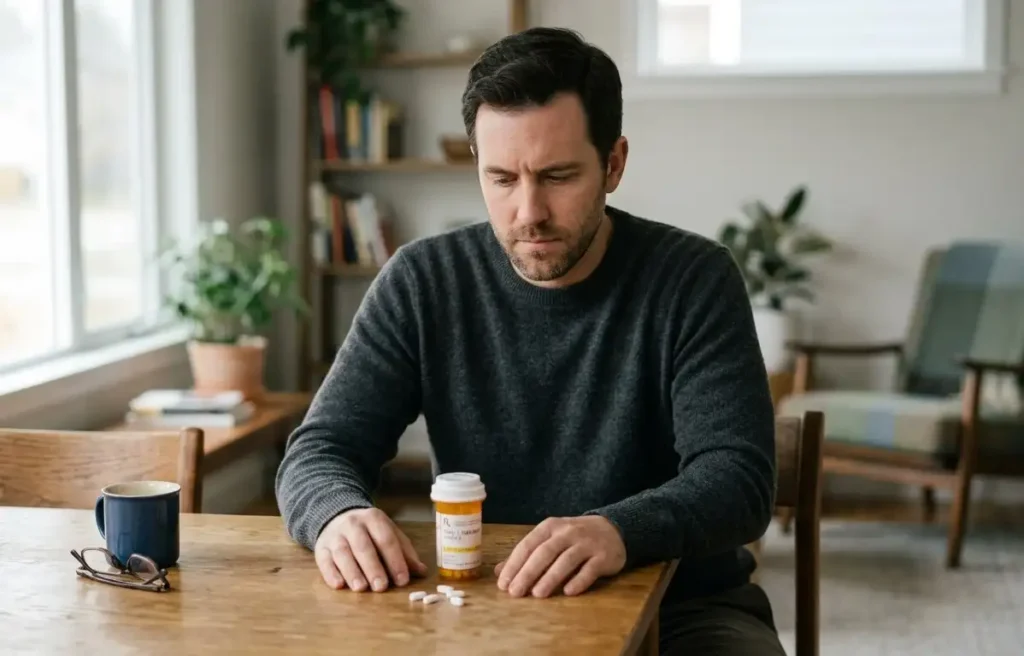
Prescription stimulants, such as amphetamine-based medications and methylphenidate, are commonly used to treat attention-deficit/hyperactivity disorder (ADHD) and certain other medical conditions.
Misuse may involve taking higher doses than prescribed, using medication without a prescription, or taking stimulants to stay awake or improve performance. Potential consequences include anxiety, insomnia, increased heart rate, elevated blood pressure, and cardiovascular complications.
Repeated misuse can also contribute to psychological dependence and interfere with work, education, relationships, and overall well-being.
What Causes Prescription Drug Abuse?
There is no single cause of prescription drug abuse. A combination of physical, psychological, social, and environmental factors may increase a person’s risk of misusing medication.
Chronic Pain and Long-Term Medication Use
People living with chronic pain may receive prescription medication to manage ongoing symptoms. Over time, tolerance can develop, meaning the body becomes less responsive to a medication’s effects. Some individuals may begin taking higher doses in an attempt to obtain the same level of relief.
Tolerance does not automatically mean someone has an addiction. However, increasing doses without medical guidance can raise the risk of dependence, overdose, and other complications.
Mental Health Challenges
Anxiety, depression, trauma, and other mental health concerns may contribute to prescription drug misuse. Some people use sedatives to escape distressing thoughts, stimulants to manage fatigue, or pain medication to cope with emotional discomfort.
Although medication may temporarily change how someone feels, misusing it does not address the underlying causes of emotional distress. Over time, substance use can worsen mental health symptoms and create additional challenges.
Accessibility and Misconceptions
Prescription medications may seem safer than illicit substances because they are manufactured for medical purposes and prescribed by healthcare professionals. This perception can lead people to underestimate their risks.
Some individuals may also believe that taking a friend’s medication is harmless or that prescription stimulants automatically improve concentration and performance. In reality, medication affects each person differently, and using it without medical supervision can have serious consequences.
Stress and Environmental Influences
Work pressures, family difficulties, financial problems, social influences, and major life changes may contribute to unhealthy coping behaviors. Individuals who lack effective stress-management strategies may be more vulnerable to using medications for relief.
Recognizing these contributing factors can help people develop healthier coping mechanisms and seek appropriate professional support.
Signs and Symptoms of Prescription Drug Abuse
The signs of prescription drug abuse vary depending on the medication involved, the amount taken, and the individual’s health. Some changes may be subtle at first but become more noticeable as misuse continues.
Common warning signs include:
- Taking medication in larger amounts or more frequently than prescribed.
- Requesting early refills or frequently reporting lost prescriptions.
- Seeking prescriptions from multiple healthcare providers without coordinating care.
- Using medication obtained from friends, family members, or unverified sources.
- Spending significant time obtaining, using, or recovering from medication.
- Experiencing strong cravings or difficulty controlling medication use.
- Neglecting work, family responsibilities, or personal commitments.
- Withdrawing from loved ones or losing interest in usual activities.
- Experiencing mood swings, irritability, anxiety, or unusual behavior.
- Continuing to misuse medication despite health, financial, or relationship problems.
Physical symptoms may include excessive drowsiness, confusion, poor coordination, sleep disturbances, changes in appetite, or unexplained changes in energy levels. Stimulant misuse may cause agitation, insomnia, or a rapid heartbeat, while sedative misuse may cause slowed reactions and excessive sleepiness.
These symptoms do not necessarily prove addiction. Other medical conditions and properly prescribed medications can produce similar effects. A healthcare professional can help determine what is happening and recommend appropriate next steps.
The Dangers and Health Risks of Prescription Drug Abuse
Prescription drug abuse can affect nearly every aspect of a person’s health and daily life. The risks depend on the medication, dosage, frequency of use, and whether it is combined with other substances.

Physical Health Complications
Misusing prescription medication can place significant stress on the body. Opioids may suppress breathing, while stimulants can increase heart rate and blood pressure. Sedatives can impair balance, coordination, and alertness, increasing the likelihood of falls and accidents.
Long-term misuse may also contribute to sleep problems, digestive issues, cardiovascular complications, and worsening of existing medical conditions. Taking medications in ways that were not prescribed can make their effects less predictable and increase the risk of serious complications.
Regular medical checkups and honest communication with healthcare providers can help identify potential health risks early.
Overdose
Prescription drug overdose is one of the most serious consequences of medication misuse. An overdose can occur when someone takes too much medication or combines substances that interact dangerously.
Opioid overdose warning signs include slow or shallow breathing, unresponsiveness, and pinpoint pupils. A person experiencing a sedative overdose may be difficult to wake, confused, or breathing abnormally. Stimulant overdose can cause chest pain, severe agitation, overheating, or seizures.
If an overdose is suspected, call 911 immediately. Administer naloxone if an opioid overdose is possible and naloxone is available, following its instructions. Rescue breathing or CPR may be necessary if the person is unresponsive and not breathing normally. Stay with the person until emergency responders arrive.
Mental Health Problems
Prescription drug misuse can worsen existing mental health conditions or contribute to new psychological difficulties. Anxiety, depression, mood changes, and impaired concentration may become more difficult to manage.
Some individuals may begin relying on medication to feel emotionally stable or get through everyday responsibilities. This pattern can make it harder to develop healthier coping skills and may reinforce continued substance use.
Relationship and Financial Difficulties
Prescription drug addiction can affect relationships with family members, friends, and coworkers. Secrecy, broken promises, financial strain, and changes in behavior may gradually damage trust.
Individuals may also experience difficulties at work, miss important responsibilities, or struggle to maintain their usual routines. These consequences can increase feelings of guilt, shame, and isolation, potentially making it more difficult to ask for help.
Need Help? Let’s Talk!
Your path to recovery begins with a simple conversation.
Call now to speak confidentially with an admission counselor.
How Prescription Drug Addiction Affects Families
Prescription drug abuse does not affect only the person taking the medication. Family members and loved ones may experience stress, uncertainty, and concern about the person’s health and safety.
Loved ones may notice changes in personality, unexplained financial problems, or repeated conflicts over medication use. They may also feel unsure whether to confront the individual, provide support, or establish boundaries.
Open and compassionate communication can help families approach these concerns without increasing shame or hostility. Instead of focusing only on blame, it can be helpful to express specific observations, explain how the behavior affects the family, and encourage professional evaluation.
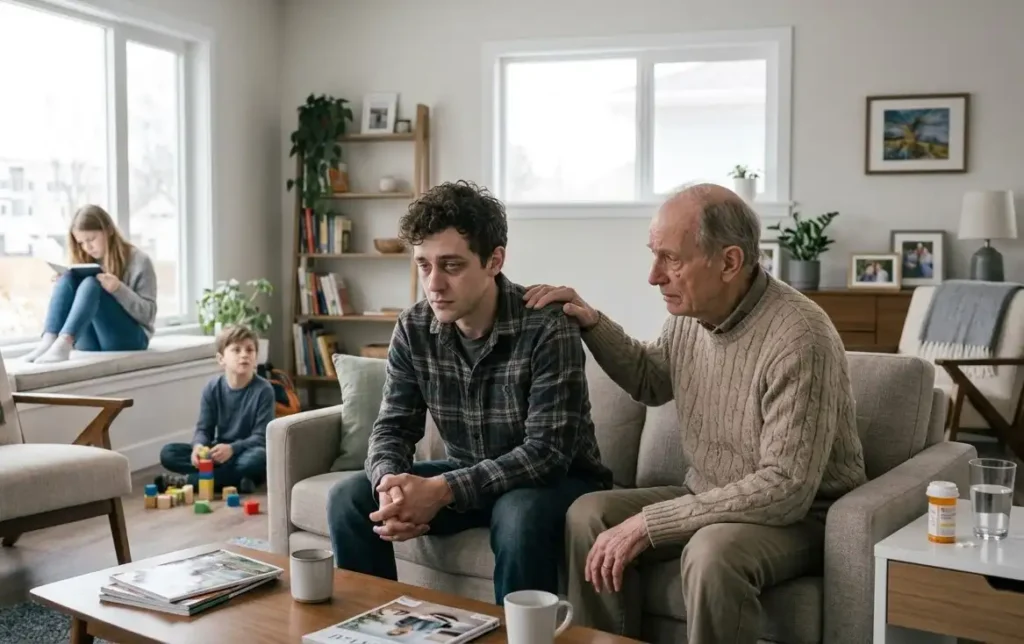
Family members can also benefit from counseling, education, and support groups. Learning about addiction can help them understand the difference between supporting a loved one and enabling harmful behaviors.
Recovery is a personal process, and families cannot control every decision another person makes. However, they can encourage treatment, establish healthy boundaries, and support positive changes.
Treatment Options for Prescription Drug Abuse
Effective prescription drug addiction treatment addresses both the physical effects of medication misuse and the emotional, behavioral, and environmental factors that contribute to continued substance use.
Because different medications carry different risks, treatment should be tailored to the individual’s circumstances, medical history, and recovery needs.
1. Medical Assessment and Supervised Detox
Treatment often begins with a comprehensive medical assessment. Healthcare professionals evaluate the medications being used, the pattern of misuse, withdrawal risks, and any co-occurring physical or mental health concerns.
Some individuals may need medically supervised detoxification to manage withdrawal symptoms safely. Withdrawal from opioids can cause muscle aches, nausea, vomiting, diarrhea, anxiety, and sleep disturbances. Although opioid withdrawal is not usually life-threatening by itself, complications such as dehydration can occur.
Withdrawal from benzodiazepines and certain other sedatives can be particularly dangerous. Severe symptoms may include seizures and delirium. People who have been taking these medications regularly should not abruptly stop without medical guidance. A clinician may recommend a gradual taper or another appropriate treatment plan.
Detox is an important first step for some individuals, but it is not a complete treatment for addiction. Ongoing care can help address the underlying causes of misuse and reduce the risk of returning to harmful patterns.

2. Medication-Assisted Treatment
Medication can play an important role in treating certain forms of prescription drug addiction. For opioid use disorder, medications such as buprenorphine and methadone can help reduce cravings and withdrawal symptoms. Naltrexone is another option for some individuals, depending on their medical circumstances and treatment goals.
These medications are evidence-based treatments, not signs of failure or a lack of commitment to recovery. When appropriately prescribed and monitored, they can help people stabilize their lives and participate more fully in treatment.
Medication options differ for other types of prescription drug misuse. A healthcare professional can determine whether medication is appropriate and explain the potential benefits and risks.
3. Behavioral Therapy and Counseling
Behavioral therapy helps individuals understand the thoughts, emotions, and situations associated with prescription drug misuse. It also provides practical strategies for responding to cravings, managing stress, and making healthier decisions.
Cognitive behavioral therapy (CBT) is one approach that can help people identify unhelpful thought patterns and replace them with more constructive responses.
Individual counseling provides an opportunity to explore personal challenges, trauma, relationship difficulties, or mental health symptoms that may contribute to substance use. Group therapy can also help individuals connect with others who understand the challenges of recovery.
4. Residential Addiction Treatment
Residential addiction treatment may be appropriate for individuals who need a structured environment away from triggers and circumstances that contribute to substance misuse.
A residential program can provide access to professional support, counseling, recovery education, and opportunities to develop healthier daily routines. Treatment may also address co-occurring mental health conditions and help individuals build practical relapse-prevention strategies.
At 10 Acre Ranch, individuals seeking help for substance use concerns can explore treatment options suited to their needs. A professional assessment can help determine which level of care may be most appropriate.
5. Outpatient Treatment and Continuing Care
Not everyone needs residential treatment. Depending on the severity of the substance use disorder, medical needs, and home environment, outpatient treatment may provide an appropriate level of support.
Outpatient services may include individual counseling, group therapy, medication management, and ongoing recovery planning. Some people transition to outpatient care after completing a residential program.
Continuing care is important because recovery involves more than completing a treatment program. Ongoing support can help individuals manage challenges, maintain healthy habits, and respond constructively when cravings or difficult emotions arise.
How to Prevent Prescription Drug Misuse
Prevention begins with responsible medication use and open communication with healthcare professionals.
Consider these practical steps to reduce the risk of prescription drug abuse:
- Follow prescribing instructions. Take medication only as directed and consult your healthcare provider before changing the dose or schedule.
- Communicate about side effects. Tell your doctor if a medication causes unwanted effects, seems ineffective, or creates concerns about dependence.
- Avoid sharing medications. Never give prescription medication to another person or use medication prescribed to someone else.
- Store medications securely. Keep prescription drugs away from children, visitors, and anyone who might misuse them.
- Dispose of unused medication safely. Use an authorized medication take-back program when available, or follow official disposal instructions.
- Avoid dangerous combinations. Do not combine prescription medications with alcohol or other substances unless a healthcare professional has confirmed that doing so is safe.
- Seek support early. If you notice increasing reliance on medication or difficulty following your prescription, discuss your concerns with a qualified healthcare professional.
Prevention also includes developing healthy ways to manage stress, pain, and emotional difficulties. Depending on the situation, exercise, relaxation techniques, counseling, and appropriate non-addictive treatment options may help support overall well-being.
Life After Prescription Drug Addiction: Building a Healthier Future
Recovery from prescription drug addiction is possible, but it may require patience, professional guidance, and consistent effort. Individuals may need time to rebuild trust, improve physical health, address emotional challenges, and establish routines that support long-term well-being.
Creating a structured daily routine can help reduce uncertainty and provide a sense of stability. Regular sleep, balanced meals, physical activity, meaningful responsibilities, and positive social connections can all contribute to healthier living.
Learning to recognize personal triggers is equally important. Stressful situations, certain relationships, untreated mental health symptoms, and access to previously misused medications may increase the risk of returning to harmful patterns. A relapse-prevention plan can help individuals identify warning signs and decide what steps to take when challenges arise.

If a return to substance use occurs, it does not mean recovery is impossible. It is an opportunity to reassess the treatment plan, identify unmet needs, and seek additional support. Because tolerance can decrease after a period of abstinence, returning to a previously used opioid dose can be especially dangerous and may result in a fatal overdose.
Individuals should also remember that asking for help is a sign of taking responsibility for their health. Recovery is not about achieving perfection. It is about making safer choices, developing effective coping skills, and continuing to move toward a healthier life.
Get Help for Prescription Drug Abuse at 10 Acre Ranch
Prescription drug abuse can begin gradually, sometimes with medication that was originally prescribed for a legitimate medical need. Over time, however, misuse can lead to dependence, addiction, health complications, and challenges that affect the entire family.
Recognizing the warning signs and seeking professional help early can make an important difference. With appropriate treatment, individuals can address the factors contributing to prescription drug misuse, learn healthier coping strategies, and work toward lasting recovery.
At 10 Acre Ranch, a Southern California drug and alcohol addiction treatment center, individuals and families can explore treatment options and learn more about the support available for substance use concerns.
If prescription medication has become difficult to control, you do not have to face the challenge alone. Contact 10 Acre Ranch to learn more about addiction treatment options and take the first step toward a healthier, more stable future.