
Recovery from drug or alcohol addiction is a lifelong journey. While completing detox and rehab is a significant accomplishment, maintaining sobriety requires ongoing awareness, support, and healthy coping strategies. One of the most important aspects of long-term recovery is learning to recognize relapse triggers before they lead to substance use.
A relapse trigger is anything that increases the urge to use drugs or alcohol again. These triggers can be emotional, physical, environmental, or social. The good news is that identifying these triggers and developing a plan to manage them can greatly reduce the risk of relapse. At 10 Acre Ranch, a leading drug and alcohol rehab in Southern California, clients learn practical relapse prevention skills that help them navigate everyday challenges while building a healthier, substance-free life.
In this article, we’ll explore 15 common relapse triggers and effective strategies for managing them to support lasting recovery.
What Is a Relapse Trigger?
A relapse trigger is any situation, thought, feeling, person, or event that causes cravings or increases the likelihood of returning to substance use.
Relapse rarely happens without warning. It often begins with emotional or mental struggles before physical substance use occurs. Understanding your personal triggers allows you to recognize warning signs early and take healthy action before a relapse occurs.
1. Stress
Stress is one of the most common relapse triggers. Work pressure, financial problems, family responsibilities, or unexpected life events can make recovery feel overwhelming.
When people used substances in the past to relieve stress, the brain may automatically associate stressful situations with drug or alcohol use.
How to Manage It
- Practice deep breathing exercises.
- Exercise regularly.
- Keep a consistent sleep schedule.
- Break large problems into smaller, manageable steps.
- Talk with a therapist or sponsor before stress builds.
2. Negative Emotions
Feelings like sadness, anger, loneliness, guilt, anxiety, or frustration often increase the desire to escape through substance use.
Many individuals initially turned to drugs or alcohol to numb painful emotions.
How to Manage It
Instead of avoiding emotions, learn healthy ways to process them.
Helpful strategies include:
- Journaling
- Counseling
- Prayer or meditation
- Talking with supportive friends
- Practicing mindfulness
Remember that emotions are temporary, even when they feel overwhelming.
3. Overconfidence in Recovery
Ironically, feeling “completely cured” can become a relapse trigger.
After months or years of sobriety, some people begin believing they no longer need meetings, therapy, or accountability.
Recovery, however, requires ongoing maintenance.
How to Manage It
Continue practicing recovery habits even when life feels stable.
Stay connected to:
- Support groups
- Sponsors
- Therapists
- Recovery communities
Long-term sobriety is built through consistency.
4. Isolation
Recovery thrives through connection.
When people begin withdrawing from family, friends, or recovery groups, they lose important emotional support and accountability.
Isolation often allows unhealthy thoughts to grow unnoticed.
How to Manage It
Make connection a priority.
Attend meetings regularly, call trusted friends, volunteer, or participate in sober community activities.
Even a simple conversation can interrupt negative thinking.
5. People Associated With Past Substance Use
Old friends who still use drugs or alcohol can create enormous temptation.
Even if they don’t directly pressure you, simply being around familiar environments and behaviors can trigger cravings.
How to Manage It
- Set healthy boundaries.
- If necessary, distance yourself from relationships that threaten your recovery.
- Choose friendships that encourage healthy living instead of substance use.
6. Certain Places
Bars, clubs, neighborhoods, hotels, or even specific homes may bring back memories associated with substance use.
These environmental cues can activate cravings unexpectedly.
How to Manage It
- Whenever possible, avoid high-risk locations.
- If you cannot avoid a particular place, create a plan beforehand.
- Bring a sober friend, limit your time there, and have an exit strategy.
7. Celebrations
Birthdays, holidays, weddings, vacations, and sporting events often involve alcohol.
People sometimes underestimate how difficult these situations can be.
How to Manage It
- Plan ahead.
- Bring a sober companion.
- Have your own non-alcoholic beverages.
- Leave if you begin feeling uncomfortable.
Remember that protecting your recovery is more important than staying at any event.

8. Relationship Problems
Arguments, breakups, divorce, or family conflict often create intense emotional distress.
Without healthy coping skills, these situations can quickly trigger relapse.
How to Manage It
- Learn healthy communication skills.
- Seek counseling when needed.
- Avoid making impulsive decisions while emotionally upset.
Recovery gives you the opportunity to respond thoughtfully rather than react emotionally.
Need Help? Let’s Talk!
Your path to recovery begins with a simple conversation.
Call now to speak confidentially with an admission counselor.

9. Boredom
Many people are surprised to discover that boredom is a powerful relapse trigger. Without meaningful activities, the mind may begin romanticizing past substance use.
How to Manage It
Build a structured daily routine. Explore hobbies like:
- Fitness
- Hiking
- Reading
- Music
- Art
- Volunteering
Purpose and engagement reduce the desire to return to unhealthy habits.
10. Poor Self-Care
Lack of sleep, poor nutrition, dehydration, and exhaustion can weaken emotional resilience.
The acronym HALT reminds people to avoid becoming too:
- Hungry
- Angry
- Lonely
- Tired
These states often increase vulnerability to relapse.
How to Manage It
- Prioritize basic health.
- Eat balanced meals.
- Exercise regularly.
- Stay hydrated.
Aim for seven to nine hours of quality sleep each night.
Taking care of your body strengthens your ability to handle life’s challenges.
11. Financial Pressure
Debt, unemployment, or unexpected expenses can create overwhelming stress.
Financial struggles often contribute to anxiety and hopelessness.
How to Manage It
- Focus on small, achievable financial goals.
- Create a realistic budget.
- Seek assistance from financial counselors if necessary.
Avoid believing that substance use will make problems disappear—it only creates additional challenges.
12. Cravings
Cravings are a normal part of recovery.
They do not mean treatment has failed or that relapse is inevitable.
Most cravings rise, peak, and eventually fade if you don’t act on them.
How to Manage It
Use healthy distraction techniques:
- Take a walk
- Call your sponsor
- Drink water
- Practice breathing exercises
- Attend a meeting
- Engage in a favorite hobby
The more often you successfully ride out cravings, the easier they become to manage.
13. Major Life Changes
Even positive changes can create stress.
Examples include:
- New jobs
- Marriage
- Moving
- Having children
- Retirement
These transitions often disrupt routines that support recovery.

How to Manage It
- Prepare for change by strengthening your support system.
- Maintain recovery meetings, healthy habits, and communication with trusted professionals during periods of transition.
14. Mental Health Challenges
Depression, anxiety, PTSD, bipolar disorder, and other mental health conditions frequently occur alongside substance use disorders.
When mental health symptoms worsen, relapse risk often increases.
How to Manage It
- Continue receiving treatment for both addiction and mental health.
- Take prescribed medications as directed.
- Attend therapy consistently.
Integrated treatment significantly improves long-term recovery outcomes.
15. Complacency
Complacency develops when recovery no longer feels like a priority.
People may gradually stop practicing healthy habits because everything seems to be going well.
Unfortunately, relapse often begins long before the first drink or drug.
How to Manage It
- Continue investing in personal growth.
- Celebrate milestones while remaining humble.
- Keep learning, serving others, and strengthening your recovery foundation.
Remember that sobriety is something you continue building every day.
Build a Personalized Relapse Prevention Plan
Every person’s recovery journey is different.
A relapse prevention plan helps you recognize your unique warning signs and outlines exactly what to do when challenges arise.
A strong plan should include:
- Your personal triggers
- Early warning signs
- Healthy coping strategies
- Emergency contacts
- Sponsor or therapist information
- Local recovery meetings
- Daily self-care habits
- Goals that keep you motivated
Review your plan regularly and update it as your life changes.
Professional Support Makes a Difference
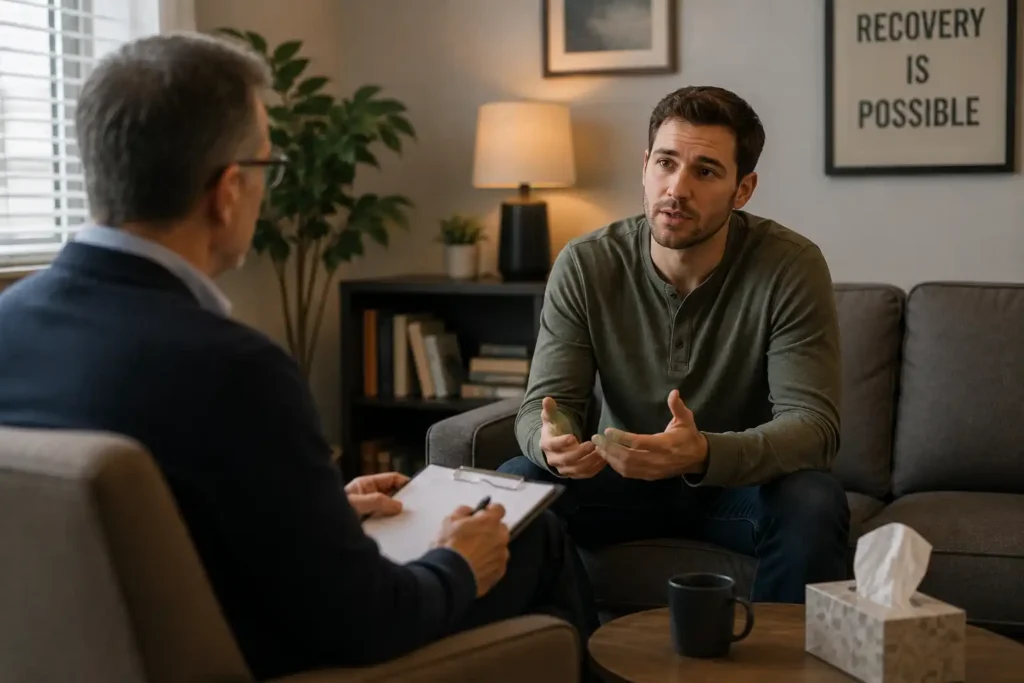
Relapse does not happen because someone lacks willpower. Addiction changes the brain, making professional treatment an essential part of recovery for many individuals.
Comprehensive addiction treatment teaches practical coping skills, emotional regulation, stress management, communication techniques, and relapse prevention strategies that prepare people for life after rehab.
Ongoing therapy, alumni programs, peer support groups, and family involvement all play important roles in maintaining long-term sobriety.
Find Lasting Recovery at 10 Acre Ranch
Recovery is not about avoiding every challenge—it’s about learning how to face life’s difficulties without turning back to drugs or alcohol. By understanding common relapse triggers and practicing healthy coping strategies, you can build confidence and strengthen your foundation for lasting sobriety.
At 10 Acre Ranch, we provide compassionate, evidence-based addiction treatment designed to help individuals achieve long-term recovery. Our experienced team offers personalized treatment plans, relapse prevention education, individual counseling, group therapy, and ongoing support to help clients build healthier, more fulfilling lives.
If you or someone you love is struggling with substance use, don’t wait to seek help. Contact 10 Acre Ranch, Southern California’s trusted drug and alcohol rehab center, to learn how our comprehensive treatment programs can help you begin a lasting recovery journey today.