10 Acre Ranch — Southern California’s Trusted Rehab for Real, Sustainable Recovery
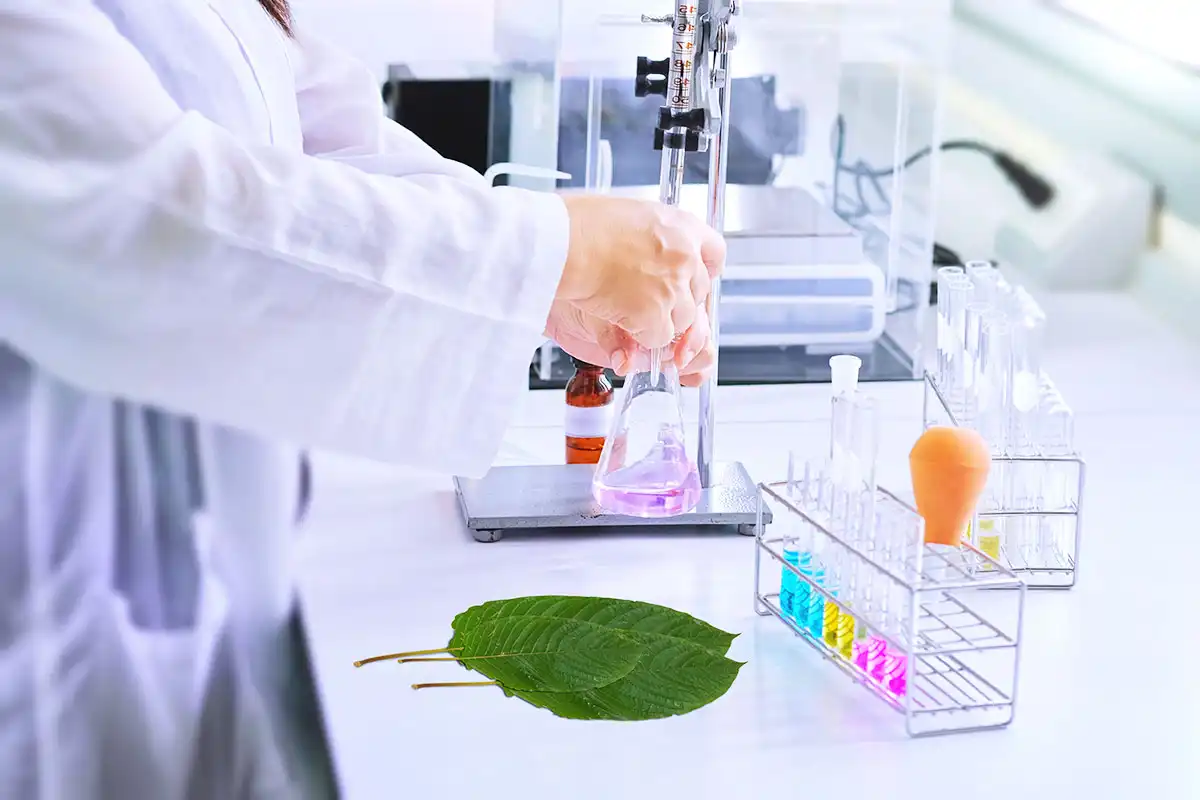
Kratom has rapidly grown in popularity across the United States, marketed as everything from a natural energy booster to a herbal pain reliever to a supposed “safer alternative” to opioids. For many people, the question of whether kratom appears on drug screenings arises because they assume it is harmless, legal, or undetectable. But as treatment centers across the nation continue to see rising cases of kratom dependence and withdrawal, identifying its presence has become increasingly relevant—especially in workplaces, legal settings, and substance use treatment environments.
At 10 Acre Ranch, located in sunny Southern California, we see firsthand the confusion surrounding kratom, its effects, its addictive potential, and how drug tests handle it. While kratom may be sold openly in gas stations and online shops, that does not mean it is risk-free. For some individuals, kratom becomes a dangerous and escalating pattern of use, eventually requiring medically supported detox and professional treatment.
This article walks you through everything you need to know, including how drug tests detect kratom, which tests can pick it up, how long it stays in your system, why people may misuse it, and what to do if a loved one is struggling.
What Exactly Is Kratom?
Kratom comes from a tropical tree native to Southeast Asia. Its leaves contain active compounds—primarily mitragynine and 7-hydroxymitragynine—which interact with opioid receptors in the brain. While kratom is technically a plant, its effects can mimic opioids, including:
- Pain relief
- Euphoria
- Sedation (in higher doses)
- Increased energy or alertness (in lower doses)
- Reduced anxiety
- Changes in mood
Because it’s legal in many states and sold as a natural supplement, many people underestimate its potency. But kratom can be habit-forming, and withdrawal symptoms can include irritability, sweating, shaking, cravings, depression, muscle aches, and insomnia.
Do Standard Drug Tests Screen for Kratom?
Here’s the straightforward answer:
No—most standard drug tests do NOT screen for kratom.
A typical 5-panel or 10-panel urine drug screen, the kind used by most employers and legal agencies, does not include kratom or its alkaloids. These basic tests look for:
5-Panel Test
- Marijuana
- Cocaine
- Amphetamines
- Opiates
- PCP
10-Panel Test
Adds:
- Benzodiazepines
- Barbiturates
- Methadone
- Propoxyphene
- Methaqualone
Kratom is not part of either panel.
This leads many users to assume kratom is “invisible” on drug tests. But this only tells part of the story.
Specialized Kratom Drug Tests Do Exist
While standard screens do not detect kratom, specialized tests absolutely can.
These tests look for mitragynine, the plant’s primary psychoactive compound.
Types of tests capable of detecting kratom include:
1. Advanced Urine Tests (LC/MS or GC/MS)
These tests are often used by:
- Addiction treatment centers
- Pain management clinics
- Some court-mandated programs
- Probation departments
They can identify kratom metabolites with high precision.
2. Blood Tests
Rarely used due to cost and invasiveness, but they can detect kratom within a limited timeframe.
3. Hair Follicle Testing
Not common, but capable of detecting kratom for up to 90 days.
4. Specialty Panels
Some labs offer “expanded” or “synthetic opioid” panels that include mitragynine.
So while kratom may not appear on routine employment tests, it absolutely can show up when testing is more comprehensive—especially in clinical or legal environments.
How Long Does Kratom Stay in Your System?
Kratom’s half-life varies widely based on an individual’s metabolism, dose, and frequency of use.
On average, kratom is detectable for:
- Urine: 5–7 days
- Blood: Up to 48 hours
- Hair: Up to 90 days
- Saliva: Rarely tested, but detectable for about 24 hours
Heavy users may test positive for longer periods because kratom builds up in fatty tissues.
Why People Use Kratom—and How It Leads to Dependency
Many people start using kratom for what seem like valid reasons:
- Chronic pain
- Anxiety or depression
- Insomnia
- Low energy
- Coping with stress
- Managing opioid withdrawal symptoms
- “Natural” mood-boosting effects
While kratom may temporarily reduce discomfort or emotional distress, its opioid-like effects can quickly lead to tolerance. Over time, a person needs more to achieve the same results.
This process leads to:
1. Dependence
The brain adapts to kratom, and stopping use triggers withdrawal.
2. Withdrawal Symptoms
Including chills, body aches, diarrhea, anxiety, restlessness, and intense cravings.
3. Loss of Control
Using more often or in higher amounts than planned.
4. Replace-and-Repeat Cycles
Some individuals use kratom to get off opioids, then become dependent on kratom instead.
In treatment settings, we frequently see kratom dependence in individuals who do not consider themselves “drug users” because the product is marketed as natural or herbal.

Is Kratom Dangerous?
While kratom is often portrayed as safe, it can be dangerous—especially in higher doses or when mixed with other substances.
Potential risks include:
- Liver damage
- Seizures
- Respiratory depression
- High blood pressure
- Paranoia or hallucinations
- Heart arrhythmias
- Overdose (especially when combined with opioids or alcohol)
In addition, kratom products are unregulated. Many contain contaminants like heavy metals, bacteria, or undeclared substances.
Is Kratom Legal?
Kratom’s legal status varies by state.
In California:
Kratom is legal except in San Diego, where it is banned.
Nationally:
Several states restrict or regulate it, and the FDA has issued multiple warnings about its safety. Some employers have also begun testing specifically for kratom due to rising concerns.
Just because something is legal does not make it safe—and this is especially true with kratom.
Need Help? Let’s Talk!
Your path to recovery begins with a simple conversation.
Call now to speak confidentially with an admission counselor.
Why Drug Testing for Kratom Is Increasing
More employers, medical providers, and treatment programs are beginning to screen for kratom due to:
- Rising ER visits
- Increasing reports of kratom-related toxicity
- Workplace safety concerns
- More individuals using kratom as a substitute for opioids
- Growing awareness of kratom addiction
The more common kratom becomes, the more widely it is being included in drug panels.
When Will a Kratom Test Be Used?
You are more likely to encounter kratom testing in:
1. Addiction Treatment Programs
Clinics and rehabs often test for mitragynine because kratom use can:
- worsen withdrawal
- trigger relapse patterns
- interfere with recovery
2. Pain Management Physicians
Kratom can interact with prescription opioids and complicate care.
3. Legal or Probation Requirements
Some court systems include kratom in their testing protocols.
4. Safety-Sensitive Occupations
Such as transportation, healthcare, aviation, construction, and emergency services.
Can You Fail a Drug Test Because of Kratom?
Yes, but only if the test is designed to detect kratom.
You will not fail for opioids, THC, or other substances unless they are also present.
But if the drug panel includes mitragynine, you will test positive.
Does Kratom Trigger a False Positive?
Current research shows kratom does not cause false positives for:
If kratom is detected, it’s because the test specifically screened for it.

What If Someone You Care About Is Using Kratom?
Many individuals who become dependent on kratom never intended to misuse anything. They may have started with a legitimate purpose—pain, anxiety, insomnia, or self-treatment for withdrawal. But over time, kratom can take a powerful hold, leading to behaviors similar to opioid addiction.
Signs of kratom misuse include:
- Needing higher doses
- Taking kratom multiple times per day
- Hiding use from loved ones
- Feeling unable to function without it
- Withdrawal symptoms when not using
- Using kratom to cope with stress or emotions
At 10 Acre Ranch, we understand that kratom addiction can feel confusing, isolating, or embarrassing. But help is available, and recovery is absolutely possible.
How 10 Acre Ranch Helps People Recover from Kratom Dependence
Our Southern California treatment center has extensive experience helping individuals overcome addiction to all substances—including emerging ones like kratom.
Our treatment programs include:
1. Medically Supported Detox
Our team helps clients withdraw safely and comfortably.
2. Residential Treatment
We provide structured daily routines, therapy, and support to build long-term recovery.
3. Evidence-Based Therapies
Including CBT, DBT, trauma-informed care, and mindfulness practices.
4. Holistic Healing
Group therapy, fitness, nutrition, outdoor recreation, and wellness activities.
5. Education About Kratom and Other Substances
Clients learn how substances change the brain—and how to rebuild health and clarity.
6. Relapse Prevention Planning
We help individuals identify triggers, build routines, and strengthen coping skills.
7. Supportive Community
10 Acre Ranch is known for creating an environment of trust, accountability, and genuine human connection.
If kratom is causing problems in your life, or in the life of someone you love, you are not alone—and professional support can make all the difference.
Final Thoughts
Kratom may be marketed as a harmless herbal product, but it has real, measurable effects on the brain—and real potential for addiction. While most standard drug tests do not detect kratom, specialized tests can and do, especially in clinical or legal contexts. For individuals struggling with kratom dependence, withdrawal can be intense and challenging without support.
At 10 Acre Ranch, we’re committed to helping people find freedom from addiction—whether to alcohol, opioids, kratom, or any other substance. Located in sunny Southern California, our evidence-based treatment programs provide the structure, compassion, and guidance needed to build a healthier, more fulfilling life.
If you or a loved one is struggling, reach out today. Recovery is possible—and it can start right now.