
Stimulant addiction can affect nearly every aspect of a person’s life, from physical health and emotional well-being to relationships, employment, and personal responsibilities. Substances such as cocaine, methamphetamine, and prescription stimulants can produce intense feelings of energy, alertness, and euphoria. However, repeated use can lead to dependence, serious health complications, and a cycle of cravings that becomes increasingly difficult to break.
Although overcoming stimulant addiction can be challenging, recovery is possible with the right treatment, professional guidance, and ongoing support. Stimulant addiction treatment helps individuals understand the causes of their substance use, manage withdrawal symptoms, develop healthier coping strategies, and rebuild their lives without relying on drugs.
For individuals and families in Southern California, understanding the available treatment options is an important first step toward lasting recovery. At 10 Acre Ranch, individuals struggling with drug and alcohol addiction can explore professional treatment and support designed to help them move toward a healthier, substance-free future.
What Is Stimulant Addiction?
Stimulants are substances that increase activity in the central nervous system. They can temporarily improve alertness, attention, energy, and confidence. Some stimulants are prescribed by healthcare professionals to treat conditions such as attention-deficit/hyperactivity disorder (ADHD), while others are commonly used recreationally.
Common stimulants include:
- Methamphetamine: A highly addictive stimulant that can produce intense energy, euphoria, and increased alertness.
- Cocaine: A powerful stimulant that creates a short-lived feeling of excitement and increased confidence.
- Prescription amphetamines: Medications such as Adderall that may be prescribed for ADHD but can become addictive when misused.
- Prescription methylphenidate: Medications such as Ritalin that affect certain brain chemicals involved in attention and alertness.
Stimulant addiction develops when a person continues using these substances despite experiencing harmful consequences. Over time, the brain adapts to the effects of stimulants, making it increasingly difficult to experience pleasure, motivation, or energy without them.
Some individuals begin using stimulants recreationally, while others initially take prescription medications for legitimate medical reasons. Regardless of how stimulant use begins, repeated misuse can lead to compulsive drug-seeking behavior and a growing need for professional treatment.
Signs and Symptoms of Stimulant Addiction
Recognizing the signs of stimulant addiction can help individuals and their loved ones seek treatment before the consequences become more severe.
Because stimulants affect the brain and body differently from other substances, their effects may appear as noticeable changes in behavior, mood, physical health, and daily functioning.
Common signs include:
Physical symptoms:
- Rapid heartbeat and increased blood pressure
- Excessive sweating and elevated body temperature
- Insomnia or unusual sleeping patterns
- Decreased appetite and unexplained weight loss
- Dilated pupils and frequent jaw clenching
- Persistent exhaustion after periods of stimulant use
Behavioral symptoms:
- Taking larger amounts of stimulants than intended
- Spending significant time obtaining or using drugs
- Neglecting work, school, or family responsibilities
- Experiencing financial difficulties related to substance use
- Continuing to use despite health or relationship problems
- Engaging in risky or impulsive activities
Psychological symptoms:
- Anxiety, irritability, or agitation
- Mood swings and emotional instability
- Paranoia or suspicious thinking
- Depression and loss of motivation
- Intense cravings for stimulants
- Difficulty concentrating without the substance
Some people may also experience stimulant-induced psychosis, which can involve hallucinations, delusions, or severe paranoia. These symptoms require immediate medical attention, particularly when someone may be at risk of harming themselves or others.
Understanding the Effects of Stimulant Addiction on the Brain and Body
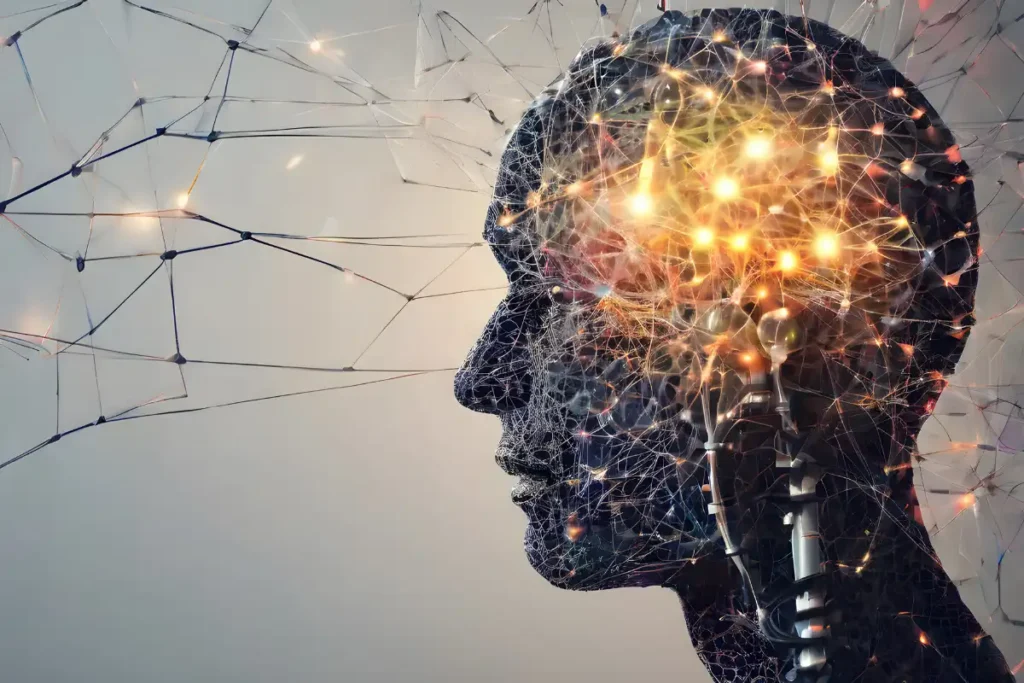
Stimulants affect neurotransmitters, which are chemical messengers that help regulate communication between brain cells. Many stimulants increase dopamine activity, a neurotransmitter associated with pleasure, motivation, and reward.
When someone uses stimulants, the sudden increase in dopamine can create an intense sense of pleasure or excitement. This experience reinforces drug-taking behavior and encourages the person to repeat it.
With repeated use, the brain adapts to these changes. Natural reward systems may become less responsive, making everyday activities feel less enjoyable. A person may begin relying on stimulants to feel motivated, energetic, or emotionally balanced.
Long-term stimulant misuse can also contribute to several health complications, including:
- Cardiovascular problems, including heart attacks and strokes
- Memory and concentration difficulties
- Sleep disturbances and chronic fatigue
- Dental problems, particularly with methamphetamine use
- Anxiety, depression, and other mental health concerns
- Increased risk of dehydration and malnutrition
- Kidney damage and other organ complications
These effects can interfere with a person’s ability to maintain healthy relationships, perform daily responsibilities, and enjoy life.
Professional stimulant addiction treatment addresses both the physical and psychological consequences of substance use, helping individuals work toward improved health and long-term stability.
What Happens During Stimulant Withdrawal?
When someone who regularly uses stimulants suddenly stops, the brain and body need time to adjust to functioning without the substance. This process can produce withdrawal symptoms that vary depending on the drug, frequency of use, amount consumed, and the person’s overall health.
Unlike alcohol or benzodiazepine withdrawal, stimulant withdrawal does not typically cause the same pattern of potentially life-threatening physical symptoms. However, it can involve significant psychological distress and requires careful attention.
Common stimulant withdrawal symptoms include:
- Extreme tiredness and exhaustion
- Increased appetite
- Depression and low mood
- Anxiety and irritability
- Difficulty sleeping or excessive sleeping
- Intense cravings
- Reduced motivation and concentration
- Unpleasant or vivid dreams
Some individuals experience an initial period known as a stimulant crash. During this time, they may sleep for extended periods, feel physically drained, and experience a significant drop in mood.
Withdrawal symptoms may improve over several days, but psychological symptoms and cravings can continue for weeks or longer. Depression and suicidal thoughts are particularly important concerns during this period.
Professional support can help individuals manage withdrawal more safely, monitor their emotional well-being, and develop strategies to avoid returning to stimulant use.
Need Help? Let’s Talk!
Your path to recovery begins with a simple conversation.
Call now to speak confidentially with an admission counselor.

Stimulant Addiction Treatment Options
There is no single treatment approach that works for everyone. Effective stimulant addiction treatment should consider the individual’s substance use history, physical health, mental health, and recovery needs.
A comprehensive treatment plan may involve medical evaluation, behavioral therapy, residential treatment, and ongoing recovery support. By addressing these areas together, individuals can develop healthier coping skills and build a stronger foundation for long-term recovery.
1. Medical Assessment and Detox Support
The first step in treatment is often a comprehensive medical and psychological assessment. Healthcare professionals evaluate the person’s substance use history, withdrawal symptoms, medical concerns, and any co-occurring mental health conditions.
Although stimulant withdrawal is generally managed through supportive care rather than a specific detox medication, professional monitoring can help address complications.
Depending on the individual’s needs, supportive care may include:
- Monitoring vital signs and overall physical health
- Addressing dehydration and nutritional deficiencies
- Providing support for sleep disturbances
- Assessing and treating depression or anxiety
- Monitoring for suicidal thoughts or severe psychological symptoms
There are currently no FDA-approved medications specifically for treating stimulant use disorder. However, healthcare providers may consider certain medications off-label in selected cases to address symptoms or support recovery.
Medical supervision is especially important for individuals with significant psychiatric symptoms, cardiovascular complications, or multiple substance dependencies.
2. Residential Treatment Programs
Residential treatment provides a structured environment where individuals can focus on recovery without the daily pressures and triggers associated with their usual surroundings.
For people struggling with severe stimulant addiction, a residential program can offer consistency, accountability, and access to professional support.
During residential treatment, individuals may participate in:
- Individual counseling
- Group therapy sessions
- Addiction education
- Relapse prevention planning
- Healthy lifestyle development
- Recovery-focused activities
Living in a treatment environment also allows individuals to establish healthier routines, improve their emotional well-being, and develop positive relationships with others who understand the challenges of addiction.
At 10 Acre Ranch, individuals seeking addiction treatment in Southern California can explore recovery-focused support in an environment designed to encourage personal growth and lasting change.
3. Cognitive Behavioral Therapy (CBT)
Cognitive Behavioral Therapy is one of the commonly used approaches for treating stimulant addiction.
CBT helps individuals recognize the connection between their thoughts, emotions, and behaviors. It also teaches practical strategies for responding to situations that may trigger substance use.
For example, someone may use cocaine or methamphetamine when feeling stressed, lonely, overwhelmed, or unsuccessful. Through therapy, they can identify these emotional triggers and learn healthier ways to respond.
CBT may help individuals:
- Recognize patterns that contribute to drug use
- Challenge negative or unhelpful thinking
- Develop healthier stress-management techniques
- Improve emotional regulation
- Strengthen decision-making skills
- Build confidence in maintaining sobriety

Over time, these strategies can help individuals respond to difficult situations without turning to stimulants.
4. Contingency Management
Contingency management is an evidence-based behavioral treatment that uses positive reinforcement to encourage recovery-related behaviors.
Individuals may receive incentives for meeting specific treatment goals, such as attending counseling sessions or providing drug-free test results.
This approach can be particularly effective for stimulant use disorders because it provides immediate positive reinforcement for behaviors that support recovery.
By recognizing progress and rewarding healthy choices, contingency management can help individuals remain engaged in treatment and strengthen their commitment to sobriety.
5. Group Therapy and Peer Support
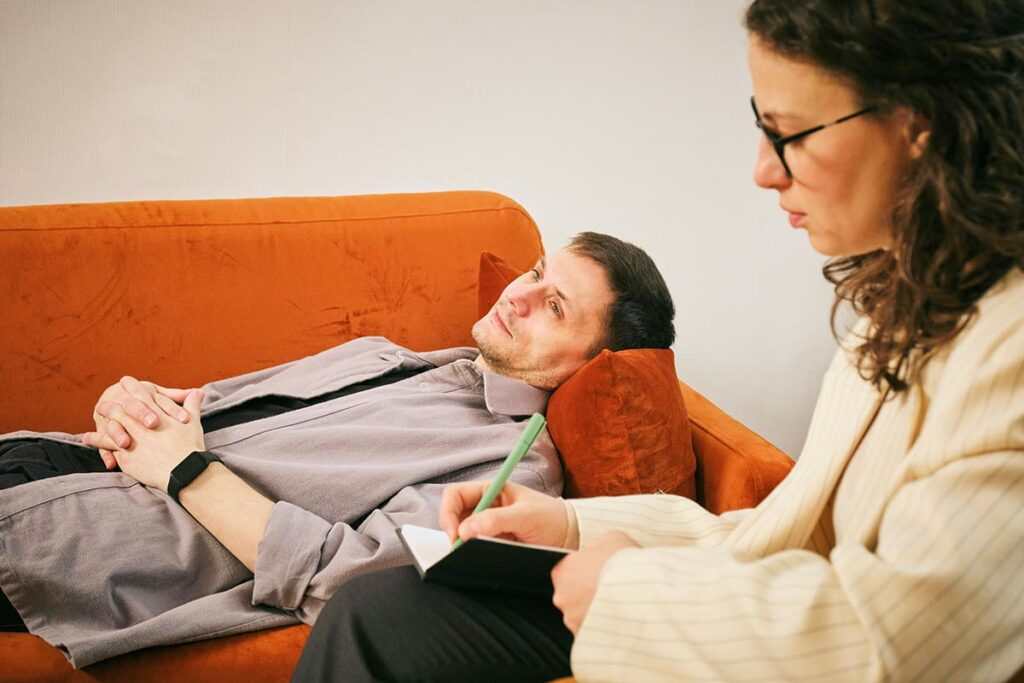
Addiction can create feelings of isolation, shame, and disconnection. Group therapy provides an opportunity for individuals to connect with others who understand the difficulties of substance use and recovery.
During group sessions, participants can share experiences, discuss challenges, and learn from one another in a supportive environment.
Group therapy can help individuals:
- Develop stronger communication skills
- Recognize that they are not alone
- Build meaningful connections
- Learn practical coping strategies
- Improve accountability
- Strengthen their motivation to recover
Peer support can also continue after formal treatment through recovery meetings and other community-based programs.
Treating Co-Occurring Mental Health Conditions
Stimulant addiction frequently occurs alongside mental health conditions such as depression, anxiety, trauma-related disorders, and attention-deficit/hyperactivity disorder.
In some cases, individuals begin misusing stimulants to cope with emotional difficulties or improve their ability to function. However, repeated substance use can worsen existing mental health symptoms and create additional challenges.
For example, methamphetamine and cocaine can increase anxiety, agitation, and paranoia. When the effects wear off, individuals may experience depression, emotional exhaustion, and difficulty finding pleasure in everyday activities.
Treating addiction without addressing underlying mental health concerns may make long-term recovery more difficult.
Integrated treatment considers both conditions and helps individuals develop healthier ways to manage their emotional and psychological needs.
A qualified treatment provider can assess symptoms, recommend appropriate therapy, and coordinate psychiatric care when necessary.
How Long Does Stimulant Addiction Treatment Take?
The length of stimulant addiction treatment varies depending on the severity of the addiction, the substances involved, and the individual’s progress.
Some people may benefit from a shorter residential program followed by outpatient support, while others may require a longer period of structured treatment.
Several factors influence treatment duration:
- Length and frequency of stimulant use
- Physical and psychological health
- Presence of co-occurring mental health conditions
- Previous treatment experiences
- Level of family and social support
- Individual recovery goals
Recovery does not end when someone completes a residential program. Continued counseling, peer support, and healthy lifestyle changes can help individuals maintain progress and reduce the risk of relapse.
Rather than focusing only on completing a specific number of days in treatment, it is important to build a recovery plan that supports long-term well-being.
Preventing Relapse After Stimulant Addiction Treatment
Relapse can be a challenge during stimulant addiction recovery. Cravings, emotional distress, social pressure, and exposure to familiar environments can increase the risk of returning to substance use.
However, relapse does not mean that recovery is impossible. It can indicate that additional support or adjustments to the treatment plan may be needed.
Developing a relapse prevention plan before leaving treatment can help individuals recognize potential challenges and respond appropriately.
Helpful strategies include:
- Identify personal triggers. Recognize people, places, emotions, and situations associated with previous stimulant use.
- Build healthy routines. Establish consistent sleeping habits, regular exercise, balanced nutrition, and meaningful daily activities.
- Stay connected to support. Maintain relationships with supportive family members, friends, counselors, and recovery peers.
- Manage stress effectively. Practice relaxation techniques, mindfulness, and healthy ways to process difficult emotions.
- Continue professional care. Attend recommended counseling sessions and follow up with healthcare providers when needed.
- Avoid high-risk environments. Limit exposure to situations where stimulants are easily accessible or where substance use is encouraged.
Long-term recovery involves making consistent choices that support physical health, emotional stability, and personal growth.
How Family Members Can Support Someone Recovering From Stimulant Addiction
Family members and close friends can play an important role in supporting someone through stimulant addiction treatment. However, helping a loved one recover does not mean taking responsibility for their choices or trying to manage addiction alone.
Support begins with understanding that addiction is a complex condition that requires professional care, patience, and compassion.
Family members can help by:
- Encouraging professional treatment without judgment
- Learning about stimulant addiction and its effects
- Establishing healthy boundaries
- Avoiding enabling behaviors
- Recognizing and celebrating recovery progress
- Participating in family counseling when appropriate
It is also important for loved ones to take care of their own emotional well-being. Family support groups and counseling can provide guidance for navigating the challenges that addiction may create within relationships.
With healthy communication and appropriate support, families can become an important part of the recovery process.

Finding Stimulant Addiction Treatment in Southern California
Choosing the right treatment center is an important decision for anyone struggling with stimulant addiction. The right program should provide compassionate care, evidence-based treatment approaches, and support that addresses both the physical and emotional effects of substance use.
When evaluating treatment options, consider the following:
- Does the program offer individualized treatment planning?
- Are qualified professionals involved in the recovery process?
- Are behavioral therapies available?
- Can the center address co-occurring mental health concerns?
- Is there a plan for continued recovery support after treatment?
- Does the treatment environment encourage accountability and personal growth?
For individuals and families seeking drug and alcohol addiction treatment in Southern California, 10 Acre Ranch provides an opportunity to explore professional recovery support in a structured and supportive setting.
Whether someone is struggling with methamphetamine, cocaine, or prescription stimulant misuse, seeking help can be the beginning of meaningful change.
Start Your Recovery Journey With 10 Acre Ranch
Stimulant addiction can make it difficult to imagine a future without drugs. The cycle of cravings, emotional distress, and repeated substance use can leave individuals feeling overwhelmed and uncertain about where to turn.
However, recovery is possible. With professional treatment, behavioral therapy, supportive relationships, and a commitment to healthier choices, individuals can learn to manage cravings, rebuild their confidence, and develop a more stable lifestyle.
At 10 Acre Ranch, individuals struggling with drug and alcohol addiction in Southern California can take an important step toward recovery. Seeking help is not a sign of weakness. It is a decision to prioritize your health, rebuild relationships, and create a healthier future.
If you or someone you love is struggling with stimulant addiction, consider reaching out to 10 Acre Ranch to learn more about available treatment options and take the first step toward lasting recovery.