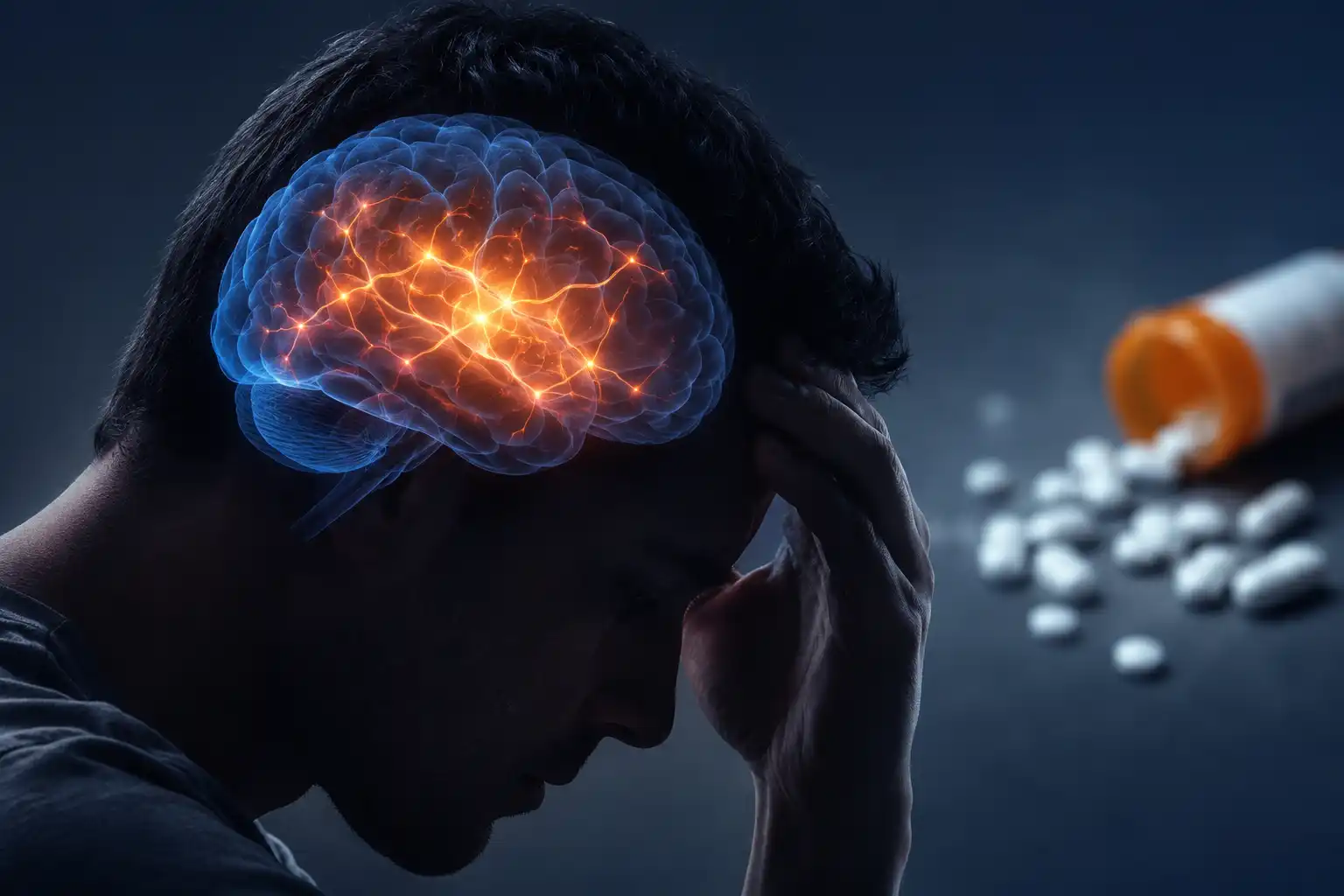
Opioid addiction is more than a physical dependence on drugs—it is a chronic brain disease that changes how the brain functions over time. Whether someone is misusing prescription painkillers such as oxycodone or hydrocodone or using illicit opioids like heroin or fentanyl, repeated opioid use can alter the brain’s reward system, decision-making abilities, emotional regulation, and stress response. These changes make it increasingly difficult to stop using opioids without professional help.
Understanding how opioid addiction changes the brain can help individuals and families recognize why addiction is not simply a matter of willpower. It also highlights why evidence-based treatment is essential for long-term recovery.
In this article, we’ll explain how opioids affect the brain, the long-term neurological changes they cause, whether those changes can heal, and how comprehensive treatment at 10 Acre Ranch helps individuals regain healthy brain function and lasting sobriety.
How Do Opioids Affect the Brain?
Opioids work by attaching to opioid receptors located throughout the brain, spinal cord, and other parts of the body. These receptors normally respond to the body’s natural pain-relieving chemicals called endorphins.
When opioids bind to these receptors, they:
- Block pain signals
- Produce feelings of relaxation
- Trigger intense pleasure or euphoria
- Slow breathing and heart rate
The surge of pleasure occurs because opioids dramatically increase dopamine release in the brain’s reward pathway.
Dopamine is a neurotransmitter responsible for motivation, learning, and reinforcing behaviors that promote survival. Normally, dopamine is released during healthy activities such as eating, exercising, or spending time with loved ones. Opioids, however, flood the brain with far more dopamine than natural rewards can produce.
The brain quickly begins associating opioid use with survival, making drug-seeking behavior feel increasingly necessary.
The Brain’s Reward System Becomes Rewired
One of the biggest changes caused by opioid addiction occurs within the brain’s reward circuitry.
Repeated opioid use trains the brain to prioritize drug use over everything else. Activities that once brought joy may no longer feel satisfying because the brain becomes dependent on opioids for dopamine release.
Over time:
- Natural pleasures become less rewarding.
- Cravings become stronger.
- Drug use becomes the primary motivation.
- Daily responsibilities lose importance.
This rewiring explains why many individuals continue using opioids despite experiencing serious health, legal, financial, or relationship consequences.
Opioid Tolerance Changes Brain Chemistry
With continued opioid use, the brain attempts to maintain balance.
Because opioids continuously activate opioid receptors, the brain responds by reducing receptor sensitivity. This process is known as tolerance.
As tolerance develops:
- Larger doses are needed to achieve the same effect.
- Prescription medications may stop relieving pain effectively.
- The risk of overdose increases significantly.
- Individuals often begin using opioids more frequently.
Tolerance is one of the first signs that the brain is adapting to opioid exposure.

Dependence Develops as the Brain Adapts
As opioid use continues, the brain becomes physically dependent on the drug.
Instead of functioning normally on its own, the brain begins relying on opioids to regulate mood, pain, and stress.
When opioid use suddenly stops, the brain struggles to regain balance, leading to withdrawal symptoms such as:
- Muscle aches
- Anxiety
- Restlessness
- Sweating
- Nausea and vomiting
- Diarrhea
- Insomnia
- Intense cravings
Withdrawal is often one of the biggest obstacles preventing people from quitting without medical supervision.
Addiction Affects the Prefrontal Cortex
The prefrontal cortex is responsible for:
- Decision-making
- Judgment
- Self-control
- Planning
- Problem-solving
- Impulse regulation
Chronic opioid use weakens activity in this area of the brain.
As a result, individuals often experience:
- Poor decision-making
- Increased impulsivity
- Difficulty resisting cravings
- Trouble focusing on long-term goals
- Reduced awareness of consequences
These neurological changes help explain why addiction persists even when someone desperately wants to stop using.
The Amygdala and Emotional Regulation
The amygdala controls emotional responses, fear, anxiety, and stress.
Opioid addiction disrupts normal amygdala function, causing emotions to become more difficult to regulate.
Many people experience:
- Increased anxiety
- Irritability
- Depression
- Emotional numbness
- Heightened stress sensitivity
Eventually, opioids are no longer taken primarily to feel good—they’re taken simply to avoid feeling bad.
This cycle becomes a major driver of ongoing addiction.
Memory and Learning Become Connected to Drug Use
Another area heavily affected is the hippocampus, which is involved in learning and memory.

The brain forms powerful associations between opioid use and people, places, emotions, or situations.
Common triggers include:
- Driving past a familiar neighborhood
- Seeing drug paraphernalia
- Feeling stressed
- Experiencing emotional conflict
- Spending time with former drug-using friends
Even after months or years of sobriety, these memories can trigger intense cravings if they aren’t addressed during treatment.
Need Help? Let’s Talk!
Your path to recovery begins with a simple conversation.
Call now to speak confidentially with an admission counselor.
Stress Systems Become Overactive
Long-term opioid use alters the brain’s stress response.
Instead of returning to normal after stressful events, the brain begins producing stronger stress reactions.
Individuals often feel:
- Constant tension
- Emotional discomfort
- Restlessness
- Difficulty coping with everyday challenges
Without healthy coping skills, many return to opioid use simply to temporarily relieve these uncomfortable emotions.

Professional treatment teaches healthier ways to manage stress without relying on substances.
Why Opioids Increase Overdose Risk
As addiction progresses, the brain’s tolerance develops unevenly.
A person may develop tolerance to the euphoric effects while remaining vulnerable to opioids’ effects on breathing.
Because opioids suppress the brain’s respiratory centers, high doses can cause breathing to slow or stop entirely.
This is why opioid overdose is a medical emergency requiring immediate treatment.
Fentanyl dramatically increases overdose risk because it is significantly more potent than many other opioids and is frequently mixed into illicit drugs without a person’s knowledge.
Can the Brain Recover After Opioid Addiction?
Yes. The brain has an incredible ability to heal through a process called neuroplasticity.
Although recovery takes time, many brain functions gradually improve after sustained sobriety.
Recovery often includes improvements in:
- Memory
- Concentration
- Emotional regulation
- Decision-making
- Motivation
- Stress management
However, healing doesn’t happen overnight.
Some brain changes begin improving within weeks, while others may continue recovering for months or even years.
The earlier treatment begins, the greater the opportunity for neurological recovery.
Why Professional Treatment Matters
Because opioid addiction changes the brain itself, recovery involves much more than simply stopping drug use.
Effective treatment addresses both the physical and psychological effects of addiction.
Comprehensive care often includes:
Medical Detox
Medical detox helps individuals safely manage opioid withdrawal under professional supervision.
Depending on the individual’s needs, medications may be used to reduce withdrawal symptoms and improve comfort.
Individual Therapy
One-on-one counseling helps identify the underlying causes of opioid use while developing healthier coping strategies.
Evidence-based therapies such as Cognitive Behavioral Therapy (CBT) help retrain unhealthy thought patterns and behaviors.
Group Therapy
Group therapy allows individuals to connect with others who understand the challenges of addiction.
Peer support helps reduce isolation while encouraging accountability throughout recovery.
Family Therapy
Opioid addiction affects the entire family.
Family therapy helps rebuild trust, improve communication, and create a healthier support system after treatment.
Relapse Prevention
Because the brain remains sensitive to triggers long after detox, relapse prevention planning is an essential part of treatment.
Clients learn how to:
- Recognize triggers
- Manage cravings
- Develop healthy routines
- Build supportive relationships
- Respond to stressful situations without returning to opioids
Lifestyle Habits That Support Brain Healing
Recovery extends beyond formal treatment.
Healthy daily habits can accelerate the brain’s healing process.

These include:
- Regular physical exercise
- Consistent sleep schedules
- Balanced nutrition
- Mindfulness and meditation
- Stress management techniques
- Building supportive relationships
- Avoiding high-risk situations
- Continuing therapy after rehab
Over time, these habits strengthen new neural pathways that support long-term recovery.
How 10 Acre Ranch Helps Individuals Recover from Opioid Addiction
At 10 Acre Ranch, we understand that opioid addiction is a complex brain disease—not a personal failure. Our Southern California treatment programs are designed to address the physical, emotional, and neurological effects of opioid addiction through evidence-based, individualized care.
Our experienced team provides comprehensive treatment that may include medically supervised detox coordination, residential treatment, individual counseling, group therapy, relapse prevention planning, and ongoing recovery support. Every treatment plan is tailored to each client’s unique needs, helping them rebuild healthy habits and regain control of their lives.
By addressing the underlying changes addiction causes in the brain, we help clients develop the tools needed for lasting recovery and a healthier future.
Start Your Recovery Today
Opioid addiction changes the brain in ways that make quitting without help incredibly difficult. The good news is that recovery is possible. With the right treatment, the brain can heal, healthy behaviors can be restored, and lasting sobriety can become a reality.
If you or someone you love is struggling with opioid addiction, don’t wait for the condition to worsen. Contact 10 Acre Ranch today to learn more about our personalized addiction treatment programs in Southern California. Our compassionate team is here to help you take the first step toward recovery and long-term healing.