
Preparing for drug and alcohol rehab can feel overwhelming, especially when you are unsure about what you will need during treatment. Packing the right items can make the transition into a treatment program smoother and more comfortable. At the same time, knowing what to leave at home can help you avoid unnecessary stress and ensure you follow the facility’s rules.
Whether you are entering treatment for the first time or returning to recovery after a previous attempt, preparation matters. At 10 Acre Ranch, a Drug and Alcohol Rehab in Southern California, individuals can receive structured, compassionate care in an environment designed to support recovery.
If you are preparing for rehab, this guide can help you understand what to bring, what to leave behind, and how thoughtful preparation can support your recovery journey.
Why Preparing for Rehab Matters
Entering addiction treatment is an important step toward recovery. While the focus of rehab is on addressing substance use and developing healthier coping skills, your physical environment can also affect your comfort and ability to participate in treatment.
Arriving with appropriate clothing, personal care products, necessary medications, and approved personal items can help you feel more prepared. On the other hand, bringing prohibited or unnecessary belongings can create complications during the admissions process.
Every rehab center has its own policies, so it is important to check directly with your treatment provider before packing. Some facilities may have specific rules regarding electronics, clothing, medications, toiletries, food, and other personal belongings.
What to Bring to Drug and Alcohol Rehab
1. Comfortable and Appropriate Clothing
Clothing is one of the most important things to pack for rehab. Treatment may include individual therapy, group counseling, educational sessions, recreational activities, and other forms of care, so comfortable clothing is generally the best choice.
Consider bringing:
- Comfortable shirts and tops
- Pants, jeans, or comfortable shorts
- Sweatshirts or sweaters
- Underwear and socks
- Sleepwear
- Comfortable shoes
- Appropriate athletic clothing
- Weather-appropriate outerwear
Choose practical clothing that allows you to move comfortably. Avoid bringing excessive amounts of clothing, expensive items, or anything that may violate the facility’s dress code.
Because Southern California weather can vary, consider bringing layers that can be added or removed as needed.
2. Personal Hygiene Products
Maintaining personal hygiene can be an important part of establishing healthy routines during recovery. Pack basic toiletries that you regularly use, but check the facility’s policies before bringing them.
Common items may include:
- Toothbrush and toothpaste
- Shampoo and conditioner
- Soap or body wash
- Deodorant
- Hairbrush or comb
- Feminine hygiene products
- Moisturizer
- Shaving supplies, if permitted
Some rehab facilities require toiletries to be alcohol-free or otherwise meet specific safety requirements. When in doubt, ask the admissions team before packing.
3. Prescription Medications
If you take prescription medication, notify the rehab facility before arriving. Do not assume you can bring and manage medications on your own.
Many addiction treatment programs have procedures for medication management. Staff may need to verify prescriptions and securely store medications while providing them according to the treatment plan.
Bring medications in their original pharmacy-labeled containers when instructed to do so. Make sure the treatment center knows about all medications, supplements, and over-the-counter products you currently use.
4. Identification and Important Documents
Admissions may require identification and other paperwork. Having these items prepared can make the intake process easier.
Depending on the facility, you may need:
- Government-issued identification
- Insurance information
- Prescription information
- Emergency contact information
- Medical records or relevant documentation
- Admission paperwork
Ask the admissions team what documents you should bring before your arrival date.
5. A Journal or Notebook
Recovery involves reflection, learning, and personal growth. A simple journal can provide a private place to write down thoughts, goals, insights, or questions that come up during treatment.
You might use a journal to record:
- Recovery goals
- Feelings and emotions
- Therapy insights
- Triggers you identify
- Questions for your counselor
- Positive changes you notice
- Plans for life after treatment
Writing can also give you a way to process experiences between counseling sessions.

6. A Few Comfort Items
Entering a new environment can feel unfamiliar. Depending on the facility’s rules, a few personal comfort items may help you feel more at ease.
Examples could include family photographs, a favorite book, or another small meaningful item. These belongings can provide a sense of familiarity without distracting from treatment.
Keep comfort items simple and avoid bringing anything valuable or irreplaceable.
Need Help? Let’s Talk!
Your path to recovery begins with a simple conversation.
Call now to speak confidentially with an admission counselor.
What to Leave at Home
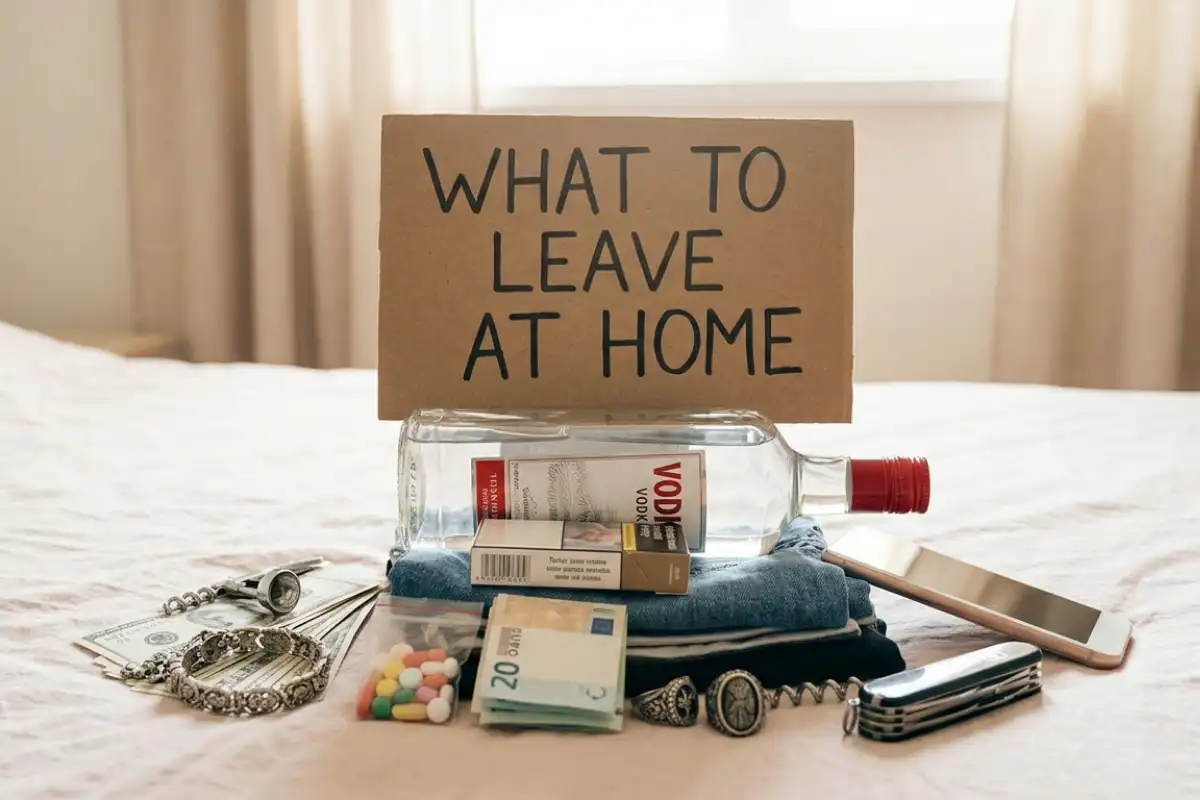
Knowing what not to bring is just as important as knowing what to pack. Prohibited items can vary between treatment centers, but several categories are commonly restricted.
1. Drugs and Alcohol
This may seem obvious, but no drugs, alcohol, or other intoxicating substances should be brought into a rehab facility.
The purpose of addiction treatment is to provide a safe environment where individuals can focus on recovery without access to substances that may interfere with treatment.
If you are concerned about substances or medications you currently have, speak honestly with the admissions team before arriving. Staff can explain the proper procedure.
2. Drug Paraphernalia
Items associated with substance use should also remain at home. This may include objects or accessories used to consume, prepare, or store drugs or alcohol.
Removing reminders of substance use can help create physical and emotional space for recovery.
3. Weapons and Dangerous Items
Weapons and other potentially dangerous objects are generally prohibited in addiction treatment facilities.
Do not bring firearms, knives, or other weapons. If you are unsure whether an item is permitted, contact the treatment center before your admission.
4. Expensive Jewelry and Valuables
Rehab is not the ideal place to bring expensive jewelry, large amounts of cash, valuable electronics, or irreplaceable personal belongings.
Leaving valuables at home reduces the possibility of loss or damage and allows you to focus more fully on treatment.
Bring only what you genuinely need.
5. Excessive Clothing and Personal Items
You do not need to bring your entire wardrobe to rehab. Packing too much can make your transition more difficult and create unnecessary clutter.
Focus on comfortable, practical essentials rather than packing for every possible situation.
6. Unapproved Electronics
Some rehab programs limit or restrict personal electronics, including smartphones, tablets, laptops, gaming devices, or other technology.
Policies vary significantly between treatment centers. Some programs may allow certain devices, while others may limit access during specific phases of treatment.
Before bringing electronics, ask the facility what is permitted. This is especially important for individuals entering specialized programs where communication and technology policies may differ.
What About Money?
You generally do not need to bring large amounts of cash to rehab. Treatment centers often have policies regarding money and personal spending.
If you need money for approved purchases, ask the admissions team how finances are handled. Bringing only the amount recommended by the facility can help prevent unnecessary concerns.
Should You Bring Food or Snacks?
Food policies vary. Some rehab facilities provide meals and snacks as part of the program, while others may have specific rules about what residents can bring.
Before packing food, ask the treatment center about dietary accommodations and approved snacks. If you have allergies, dietary restrictions, or specific nutritional needs, communicate those concerns before admission.
Make a Packing List Before Admission
One of the easiest ways to prepare is to create a simple packing list several days before entering treatment.
Start with the essentials: clothing, hygiene products, identification, approved medications, and any paperwork requested by the facility. Then review the treatment center’s prohibited-items list.
Finally, remove anything that is unnecessary, expensive, prohibited, or potentially distracting.
If possible, pack in a simple bag or suitcase rather than bringing multiple large pieces of luggage. Keeping your belongings organized can make the admissions process easier.
Ask the Rehab Center Before You Pack
The most important rule is simple: follow the specific packing instructions provided by your rehab center.
Treatment facilities have different policies based on their programs, safety procedures, accommodations, and treatment approaches. Something allowed at one facility may be prohibited at another.
Before arriving at 10 Acre Ranch, contact the admissions team for the most current information about what you should bring and what should remain at home.
10 Acre Ranch provides a structured setting where individuals can focus on overcoming substance use and developing the skills needed for long-term recovery.
Preparing for More Than Rehab
Packing your belongings is only one part of preparing for addiction treatment. Emotional preparation matters, too.
It is normal to experience uncertainty, fear, sadness, or even resistance before entering rehab. You may wonder what treatment will be like or whether you are ready to make changes.
You do not have to have everything figured out before treatment begins.
Rehab provides an opportunity to step away from unhealthy patterns, understand the underlying factors contributing to addiction, and begin developing healthier ways to respond to life’s challenges.
The goal is not simply to get through treatment. It is to begin building a foundation for a healthier and more sustainable life in recovery.

Take the First Step Toward Recovery
Knowing what to bring to rehab and what to leave at home can make the admissions process feel less intimidating. Pack practical essentials, follow the facility’s guidelines, and leave behind anything that could interfere with your safety or recovery.
Most importantly, remember that seeking treatment is a meaningful step. You do not have to navigate addiction alone.
At 10 Acre Ranch, a Drug and Alcohol Rehab in Southern California, individuals can access professional addiction treatment in a supportive environment focused on recovery. If you or someone you love is struggling with drug or alcohol addiction, reaching out for information can be the beginning of a healthier future.
Contact 10 Acre Ranch to learn more about available addiction treatment programs and how professional support can help you take the next step toward recovery.