Relapse is one of the most misunderstood parts of addiction recovery. In movies, TV shows, and even everyday conversations, relapse is often treated as a catastrophe—a sign that someone “failed,” “gave up,” or “doesn’t want sobriety enough.”
But that belief is not only inaccurate—it’s harmful.
The truth is simple and backed by decades of clinical research:
Relapse does not mean failure.
Relapse is a common, predictable, and treatable part of recovery from addiction.
In fact, understanding relapse—and learning how to respond to it—can strengthen long-term sobriety and help people build a more resilient recovery plan.
This article dives into why relapse happens, why it doesn’t signal defeat, and how individuals and families can use relapse as a tool for growth rather than a reason for shame.
What Relapse Really Is (and What It Isn’t)
Before exploring why relapse isn’t failure, it’s important to define what relapse is.
Relapse is a return to substance use after a period of abstinence or reduced use.
But it is not simply a moment of drinking or using drugs—it’s a process that unfolds over time.
Most people don’t go from sobriety to substance use instantly. Instead, relapse tends to follow a three-stage model:
1. Emotional Relapse
- Poor self-care
- Bottled emotions
- Isolation
- Skipping meetings or therapy
- Increased stress
No intention to use yet—just a slipping foundation.
2. Mental Relapse
- Cravings
- Fantasizing about past use
- Minimizing consequences
- Bargaining (“Just once won’t hurt…”)
- Seeking opportunities to use
The inner dialogue becomes exhausting.
3. Physical Relapse
- Actual use of alcohol or drugs
This is the part people see—but it’s the final stage, not the beginning.
Understanding relapse as a process takes away the blame and replaces it with clarity.
Why Relapse Shouldn’t Be Seen as Failure
Relapse feels scary—for the person in recovery and for their loved ones. But it does not wipe out progress, and it does not mean the recovery journey is over.
Here’s why.
1. Addiction Is a Chronic Medical Condition
Addiction is not a moral failing.
It is not a lack of willpower.
It is not a reflection of character.
Addiction is a chronic brain disease that affects:
- decision-making
- reward pathways
- stress response
- impulse control
- emotional regulation

Chronic conditions often involve recurrence:
- Asthma can flare.
- Diabetes can spike.
- Depression can return.
- Hypertension can worsen.
Addiction is no different.
According to national data, relapse rates for addiction are similar to other chronic illnesses. This means relapse is a known clinical reality—not a sign of weakness.
2. Relapse Is Information, Not Defeat
When someone relapses, it doesn’t erase their progress. Instead, relapse provides valuable insight:
- What triggered stress or cravings?
- Were certain environments unsafe?
- Did support slip?
- Is medication needed?
- Did isolation increase?
- Were mental health symptoms unmanaged?
Relapse shines light on areas of vulnerability so the person can adjust their recovery plan.
Learn more about how treatment addresses triggers and coping skills on our Therapy & Counseling page.
3. Relapse Can Strengthen Recovery
Surprisingly, relapse can motivate people to take recovery more seriously.
It may prompt someone to:
- return to therapy
- re-engage with support groups
- rebuild a routine
- address unresolved trauma
- explore medication-assisted treatment (MAT)
- seek a higher level of care
For many people, relapse becomes the turning point that leads to long-term success.
Read about structured treatment options on our Residential Treatment page.

4. Shame Makes Relapse Worse—Compassion Makes Recovery Possible
Relapse becomes dangerous when it triggers overwhelming shame.
Thoughts like:
- “I blew it.”
- “Everyone will be disappointed.”
- “Maybe I just can’t do this.”
Shame isolates people and pushes them deeper into addiction.
Compassion, however, has the opposite effect. It encourages openness, honesty, and accountability—crucial components of recovery.
Loved ones who respond with empathy (while maintaining healthy boundaries) make it easier for the individual to return to sobriety quickly.
5. Relapse Often Indicates That Recovery Is Expanding
As people in recovery try new experiences—new jobs, relationships, social settings—old triggers may reappear.
This is normal.
Growth sometimes exposes vulnerabilities. A relapse during an expansion period does not erase progress; it highlights where support is still needed.
Recovery is not about avoiding all mistakes—it’s about learning from them.
Need Help? Let’s Talk!
Your path to recovery begins with a simple conversation.
Call now to speak confidentially with an admission counselor.
What Relapse Feels Like—for the Person in Recovery
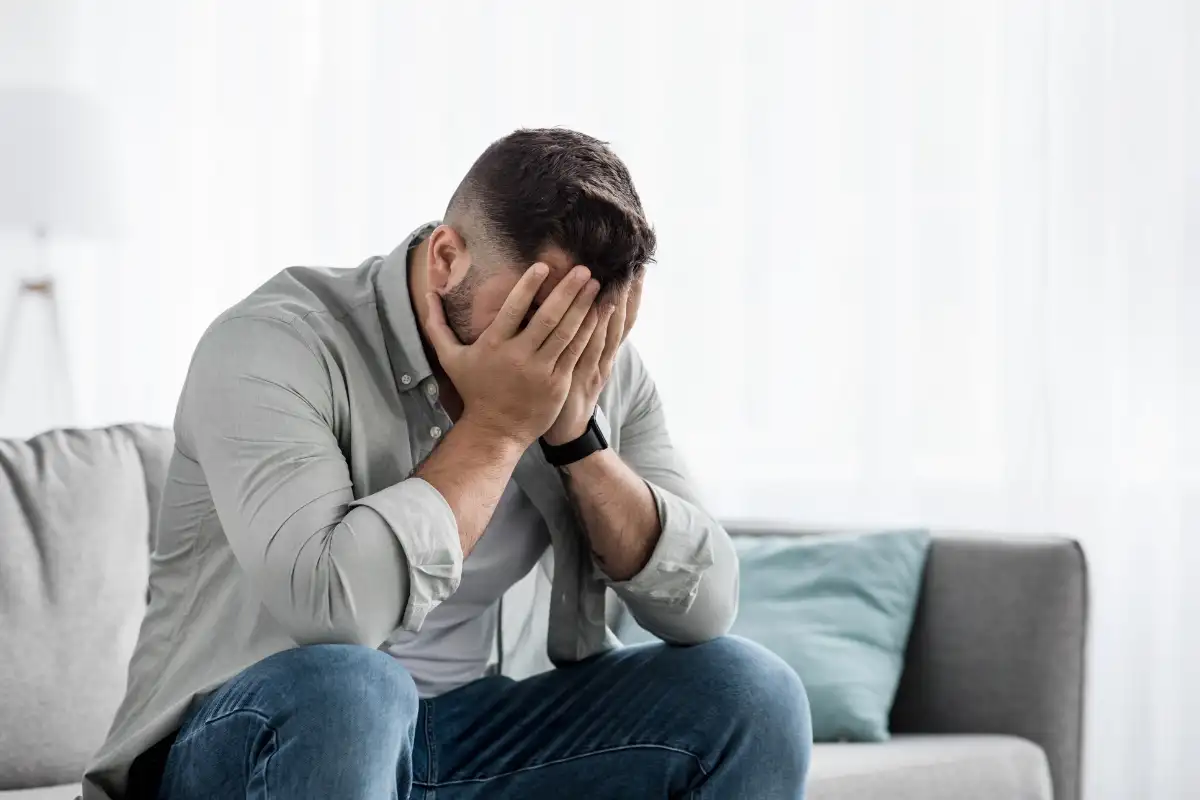
Relapse often comes with a flood of emotions:
- disappointment
- guilt
- fear
- shame
- frustration
- confusion
These feelings are valid—but they are not signs of failure.
They’re signs of someone who cares deeply about their recovery.
Recognizing this emotional landscape is essential for reframing relapse as part of the recovery process rather than the end of it.
How Loved Ones Can Respond Without Enabling
Family members and partners often struggle with how to respond to relapse. The goal is to balance compassion and boundaries.
Here’s how:
✔ Stay calm
Emotional reactions escalate shame.
✔ Avoid blame
Addiction is a medical illness—not a choice.
✔ Set healthy boundaries
Protect your well-being without punishing your loved one.
✔ Encourage re-engagement with treatment
Relapse is a signal—not a dead-end.
✔ Support accountability
Ask supportive questions:
“What do you need next?”
“What support feels helpful right now?”
Visit our Family Support Program to learn how we help families navigate relapse safely.
How Treatment Centers Help After a Relapse
Reaching back out to treatment is not going backward—it’s going forward with stronger information.
Treatment can help with:
- reassessment of triggers
- adjusting medication
- increasing therapy sessions
- exploring trauma-focused care
- updating relapse-prevention plans
- transitioning to residential or outpatient care
Many people return to treatment at different points in their journey. This is a normal and healthy part of the process.
Explore treatment options at 10 Acre Ranch’s Programs.
Relapse Prevention: What Works in Real Life
While relapse may happen, there are powerful tools that reduce the risk and create stability:
1. Routine and structure
Daily habits keep recovery grounded.
2. Therapy and mental health support
Especially for anxiety, trauma, or depression.
3. Recovery meetings or support groups
AA, NA, SMART Recovery, alumni groups, etc.
4. Healthy relationships
Boundaries and communication matter.
5. Stress management techniques
Exercise, mindfulness, journaling, hobbies.
6. Medication-assisted treatment (MAT)
Medications like Suboxone or naltrexone can reduce cravings and lower relapse risk.
7. Avoiding high-risk environments
Bars, parties, toxic relationships, unstructured time.
Recovery is strongest when it’s supported from every angle.
How to Rebuild After a Relapse
Relapse doesn’t erase progress. Here’s how people rebuild quickly and effectively:
1. Tell someone you trust
Isolation prolongs relapse; support interrupts it.
2. Re-engage with treatment immediately
The sooner support begins, the sooner momentum returns.
3. Reflect on the trigger
Understanding the “why” prevents future relapse.
4. Strengthen your recovery plan
Update coping tools, schedule changes, or therapy needs.
5. Practice self-compassion
A relapse is a chapter—not the story.
Final Thoughts: Relapse Is a Detour, Not a Dead End
Recovery is not a straight line.
It’s a lifelong journey of growth, self-awareness, vulnerability, and resilience.
Relapse does not mean you’re weak.
It does not mean you’re starting over.
It does not mean the recovery isn’t working.
It simply means this chapter requires more support, more tools, and more compassion.
Real recovery is built on persistence—not perfection.
If you or someone you love has experienced relapse, you’re not alone—and help is available today.
Visit our Admissions Page to reconnect with support and take the next step toward healing.