
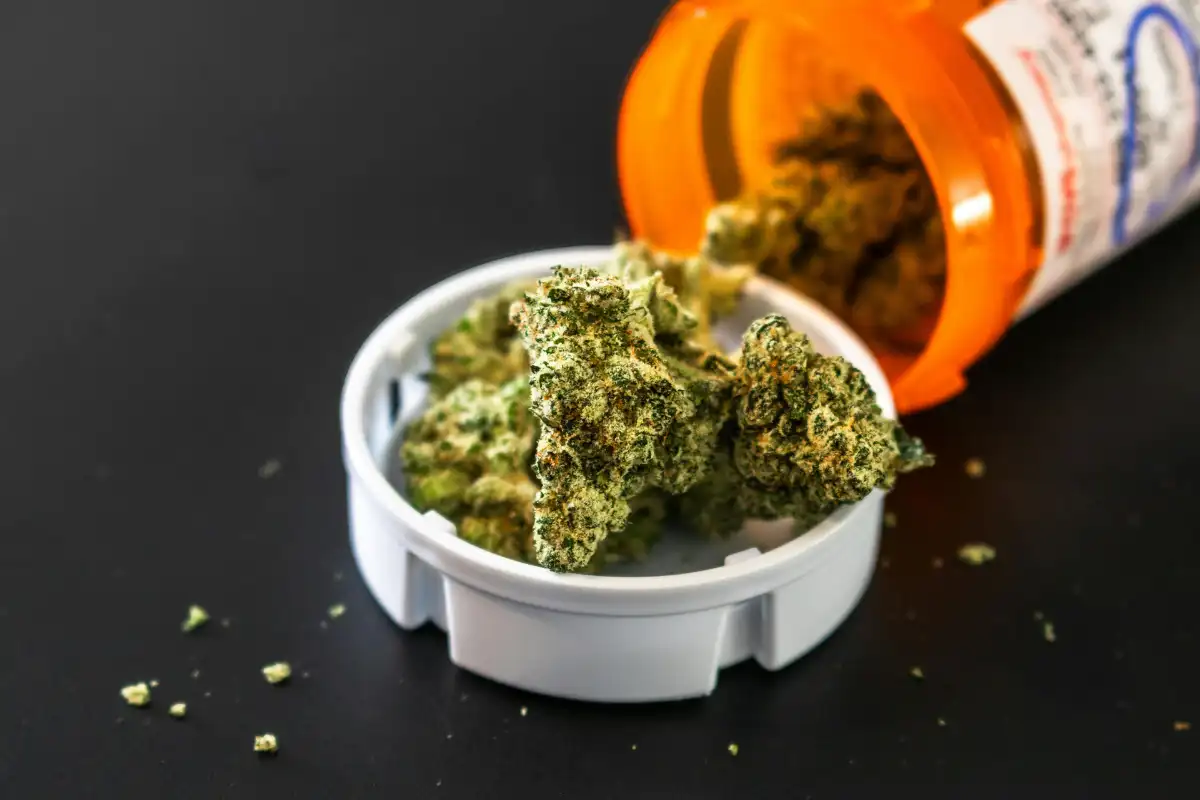
Over the last decade, synthetic marijuana—also known as Spice, K2, or herbal incense—has surged in popularity, especially among teens, young adults, and people seeking a “legal high.” Many users mistakenly believe it is safer than cannabis because it is sold in gas stations, smoke shops, and online. But the truth is far more dangerous.
Synthetic marijuana is not marijuana at all. It is a collection of dried plant materials sprayed with lab-made chemicals designed to mimic the effects of THC—the active ingredient in cannabis. These chemicals can be 100 times stronger than THC, completely unregulated, inconsistently mixed, and highly unpredictable.
The result? Spice has been linked to severe medical emergencies, psychosis, addiction, violent behavior, seizures, and even death. Emergency rooms across the country regularly treat life-threatening reactions caused by synthetic cannabinoids—many occurring after a single use.
This article explains what synthetic marijuana really is, why it’s so dangerous, and how individuals struggling with its effects can get help.
What Exactly Is Synthetic Marijuana?
Despite the name, synthetic marijuana has no real connection to the cannabis plant. It’s a manufactured substance that contains:
- dried herbs or plant material
- a mixture of man-made chemicals
- solvents used to bind chemicals to the plants
- dyes, preservatives, and other contaminants
The plant material is simply a carrier—all psychoactive effects come from chemical compounds created in a lab.
Common street names include:
- Spice
- K2
- Black Mamba
- Scooby Snax
- Cloud 9
- Serenity
Products often come in bright, flashy packaging with labels like “not for human consumption,” a tactic manufacturers use to dodge legal regulation.
Why People Mistake It for Natural Cannabis
The name “synthetic marijuana” is misleading. It suggests a manufactured version of THC, like a pharmaceutical product. But Spice is:
- unregulated
- untested
- chemically inconsistent
- contaminated with unknown compounds
Users never really know what they’re consuming.
How Synthetic Cannabinoids Work in the Brain
Spice contains synthetic cannabinoids—chemicals designed to imitate THC. But these chemicals bind to cannabinoid receptors in the brain much more aggressively than natural THC.
This leads to effects that are:
- more intense
- less predictable
- longer lasting
- more likely to trigger dangerous reactions
While THC is considered a partial agonist (meaning it activates cannabinoid receptors gently), synthetic cannabinoids are often full agonists, overwhelming the system.

This sudden chemical overload can trigger:
- hallucinations
- violent agitation
- psychosis
- heart problems
- seizures
- organ failure
This is why Spice’s effects can be dramatically different from one batch to another—and far more dangerous than cannabis.
Why Is Synthetic Marijuana So Dangerous?
The dangers of Spice come from several compounding factors: potent chemicals, unregulated production, and unpredictable reactions.
Here are the major risks:
1. The Ingredients Are Unknown and Always Changing
Manufacturers regularly alter the chemical formulas to:
- bypass drug laws
- pass drug tests
- stay ahead of law enforcement
This means users never know what chemicals are in each package—or how strong they are.
There is no safe dose, because no two batches are alike.
2. It Can Be 10–100 Times Stronger Than THC
Synthetic cannabinoids attach to brain receptors more strongly than THC, creating:
- extreme confusion
- panic attacks
- hallucinations
- psychotic episodes
- physical collapse
What feels like a “normal hit” can cause a life-threatening reaction.
3. It Can Cause Overdose—Even After One Use
Unlike natural cannabis, synthetic marijuana can cause fatal overdose because the chemicals can overwhelm vital functions.
Symptoms of Spice overdose include:
- seizures
- dangerously high blood pressure
- rapid heart rate
- stroke
- loss of consciousness
- respiratory distress
- kidney failure
Many hospitals report that patients arrive violent, incoherent, or unresponsive after using Spice.
4. High Risk of Psychosis and Mental Health Crises
One of the most commonly reported effects of synthetic marijuana is acute psychosis, particularly in young adults.
Users may experience:
- paranoia
- vivid hallucinations
- extreme anxiety
- fear-based violence
- suicidal or impulsive behavior
- disorganized thoughts
For some, psychotic symptoms persist long after the drug leaves the body.
Learn more about substance-induced psychosis and mental health on our Dual Diagnosis Treatment page.

5. Physical Damage to Organs
Spice affects nearly every organ system.
Documented long-term consequences include:
- kidney damage or renal failure
- heart attack or arrhythmia
- gastrointestinal damage
- severe dehydration
- respiratory distress
Some cases require dialysis or long-term medical treatment.
6. Spice Is Highly Addictive
Although marketed as a “safe high,” synthetic cannabinoids are extremely addictive—sometimes even more so than cannabis.
People may experience:
- intense cravings
- agitation
- mood swings
- insomnia
- nausea
- tremors
- anxiety
- depression
Withdrawal can be severe, driving many users back to the drug just to function.
Learn how we help clients safely detox on our Medical Detox page.
Need Help? Let’s Talk!
Your path to recovery begins with a simple conversation.
Call now to speak confidentially with an admission counselor.
Why People Use Synthetic Marijuana
Understanding the motivations behind Spice use can help remove stigma and increase compassion.
1. To avoid detection on drug tests
Spice is often marketed as a way to “get high without getting caught,” especially among:
- military members
- people on probation
- individuals in workplaces with strict testing
Manufacturers frequently alter chemicals to stay undetectable.
2. Easy access in stores or online
Because it’s sold legally in appearance, many users assume it’s safe.
3. Curiosity or peer pressure
Teens and young adults may try it because it’s cheap and advertised as a cannabis alternative.
4. Misconceptions about legality
Just because it’s sold in shops doesn’t mean it’s legal—or safe.
5. Cheaper than marijuana
Some turn to Spice because it’s lower cost and more available.
Short-Term Effects of Synthetic Marijuana
Spice’s effects vary widely, but common reactions include:
- extreme anxiety
- detachment from reality
- hallucinations
- blackouts
- vomitingrapid heart rate
- shaking or seizures
- aggression
- panic
Many users end up in the ER after a single experience.
Long-Term Risks of Synthetic Cannabinoid Use
Chronic use can lead to:
- memory problems
- chronic anxiety or depression
- recurring psychosis
- decreased cognitive function
- kidney or liver deterioration
- long-term heart issues
- difficulty regulating emotions
These effects can persist long after someone quits.
Is Synthetic Marijuana Legal?
Spice is often marketed as a “legal high,” but this is misleading.
Many types of synthetic cannabinoids are illegal under federal and state law. But because manufacturers constantly alter formulas, new versions temporarily slip through legal cracks.
The result? Products that are:
- technically illegal
- chemically dangerous
- falsely marketed as safe
Law enforcement cannot keep up with the constantly changing chemical landscape.

Signs Someone May Be Using Synthetic Marijuana
If you’re concerned about a loved one, warning signs may include:
- sudden, intense mood swings
- paranoia or extreme anxiety
- unusual sleep patterns
- confusion or disorientation
- glassy or dilated eyes
- aggressive or violent behavior
- secretive behavior or unexplained packaging
- episodes of psychosis
- memory gaps or blackouts
Spice use can escalate quickly—intervening early can prevent serious harm.
Treatment for Synthetic Marijuana Addiction
Because Spice affects the brain differently than natural cannabis, treatment requires a tailored, clinically informed approach.
Effective treatment often includes:
✔ Medical Detox (if needed)
Withdrawal symptoms can be severe. Detox helps manage:
- anxiety
- agitation
- insomnia
- cravings
- nausea
✔ Residential Treatment
Provides structure, therapy, and 24/7 support.
Read about our program at the 10 Acre Ranch Residential Treatment.
✔ Behavioral Therapies
This may include:
- Cognitive Behavioral Therapy (CBT)
- Motivational Interviewing (MI)
- Trauma-informed therapy
- Relapse prevention skills
✔ Mental Health Treatment
Because Spice can trigger lasting psychological symptoms, dual diagnosis support is essential.
✔ Aftercare and Support Groups
Recovery is ongoing. Long-term support helps maintain progress.
Explore continuing support options on our Aftercare Planning page.
Final Thoughts: Synthetic Marijuana Is Far More Dangerous Than You Think
Spice may be marketed as a “safe,” “legal,” or “natural” alternative to cannabis—but none of that is true. Synthetic marijuana is a highly dangerous, unpredictable substance with a real potential for:
- overdose
- psychosis
- addiction
- lasting health damage
- death
If you or someone you love is struggling with Spice, help is available—and recovery is absolutely possible.

To get confidential support today, visit our Admissions Page.