
Anxiety is a common and often overlooked challenge during drug and alcohol recovery. Individuals navigating sobriety are not just breaking physical dependence — they’re also confronting emotional and psychological hurdles. One therapeutic approach gaining traction is pet‑assisted support, which leverages the unique bond between humans and animals to help ease anxiety and enhance emotional well‑being.
Research and clinical experience suggest that pets can be powerful allies in the recovery process. Interacting with animals has been shown to lower stress hormones, improve mood, and provide an emotional anchor for individuals working to regain control over their lives. Beyond emotional support, pets can help establish daily routines, encourage social interaction, and reduce feelings of loneliness — all important factors for long-term recovery success. In this article, we’ll explore how pets can help reduce anxiety during recovery and how treatment centers like 10 Acre Ranch incorporate this approach into holistic care.
Why Anxiety Is a Major Concern in Recovery
Recovery from substance use disorders involves more than abstaining from drugs or alcohol — it requires healing the mind, body, and spirit. Anxiety can arise at almost every stage of recovery due to:
- Withdrawal symptoms
- Stressful life transitions
- Trauma reminders
- Fear of relapse
- Social reintegration pressures
Research shows that anxiety disorders co‑occur with substance use disorders in a significant number of individuals, which can complicate treatment and increase the risk of relapse.
This is why treatment modalities that address anxiety directly — including therapy, mindfulness practices, and now pet‑assisted interactions — are valuable components of a well‑rounded recovery plan.
The Healing Power of Pets: A Closer Look
Animals naturally provide non‑judgmental companionship. This alone can make a profound difference for individuals coping with anxiety during recovery. Here’s how:
1. Pets Provide Unconditional Emotional Support
For many people, pets aren’t just animals — they’re trusted companions. Dogs, cats, and other animals offer:
- Comfort without judgment
- Emotional regulation through soft touch and presence
- A sense of stability and routine
For someone just beginning recovery, this steady presence can ease anxiety and improve mood. Studies have shown that interacting with pets can lower stress hormones like cortisol and increase the release of oxytocin — the “feel-good” hormone.
2. Animals Encourage Healthy Routines
Routine and structure are essential for sustained recovery. Feeding, walking, and caring for a pet introduces:
- Daily routines
- Responsibilities that inspire purpose
- Activities that reduce idle time (a known trigger for anxiety)
Focusing on an animal’s needs shifts attention away from anxious thoughts and fosters a meaningful sense of purpose, which is particularly powerful during early recovery.
3. Pets Break Down Social Barriers
Many individuals in recovery struggle with social anxiety — especially in group therapy or peer settings. Pets can help by:
- Serving as conversation starters
- Easing the emotional strain of social situations
- Offering a natural calming presence
This is one reason why animal‑assisted interventions are increasingly used in therapeutic and group settings.
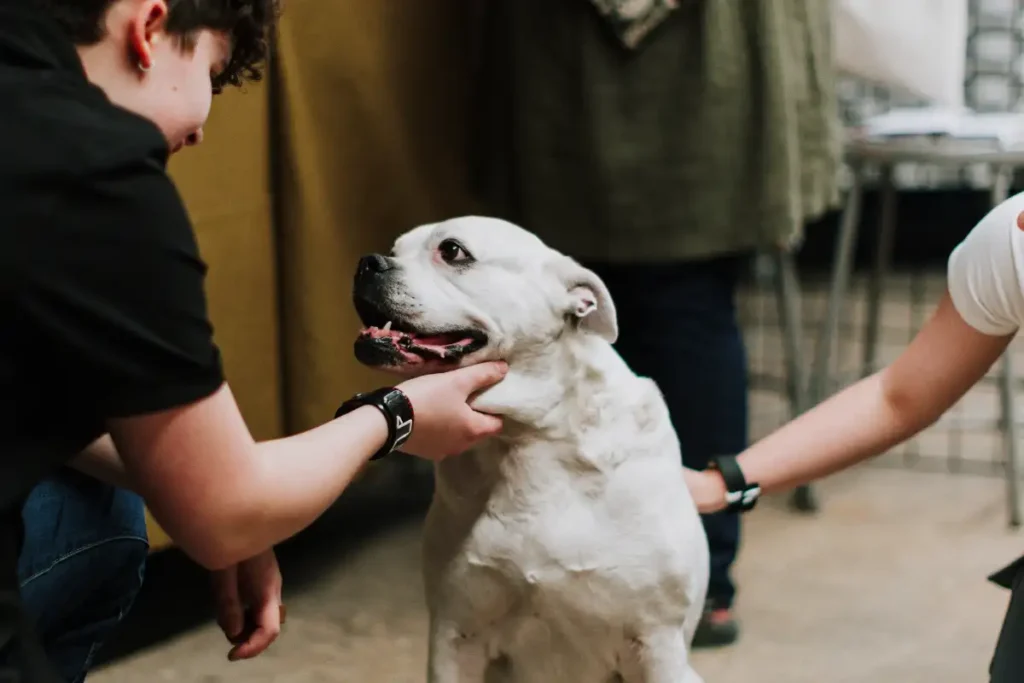
4. Animals Help Reduce Loneliness and Isolation
Isolation is a common trigger for anxiety and a risk factor for relapse. Pets provide companionship that helps:
- Alleviate feelings of loneliness
- Offer a consistent presence in times of distress
- Create emotional security
For individuals who may have strained relationships with family or friends, a pet can fill an emotional void and restore hope.
What the Research Says
Scientific studies support pet‑assisted therapy as beneficial for mental health. Some key findings include:
- Reduced Anxiety Levels: Interaction with pets significantly lowers self-reported anxiety scores.
- Lowered Blood Pressure: Brief pet interactions can reduce physiological stress markers like heart rate and blood pressure.
- Improved Psychological Well-Being: Therapies involving animals have been associated with better mood and emotional stability.
These benefits highlight why many treatment programs are integrating animal support into recovery plans.
Need Help? Let’s Talk!
Your path to recovery begins with a simple conversation.
Call now to speak confidentially with an admission counselor.
How Pets Are Used in Treatment Settings
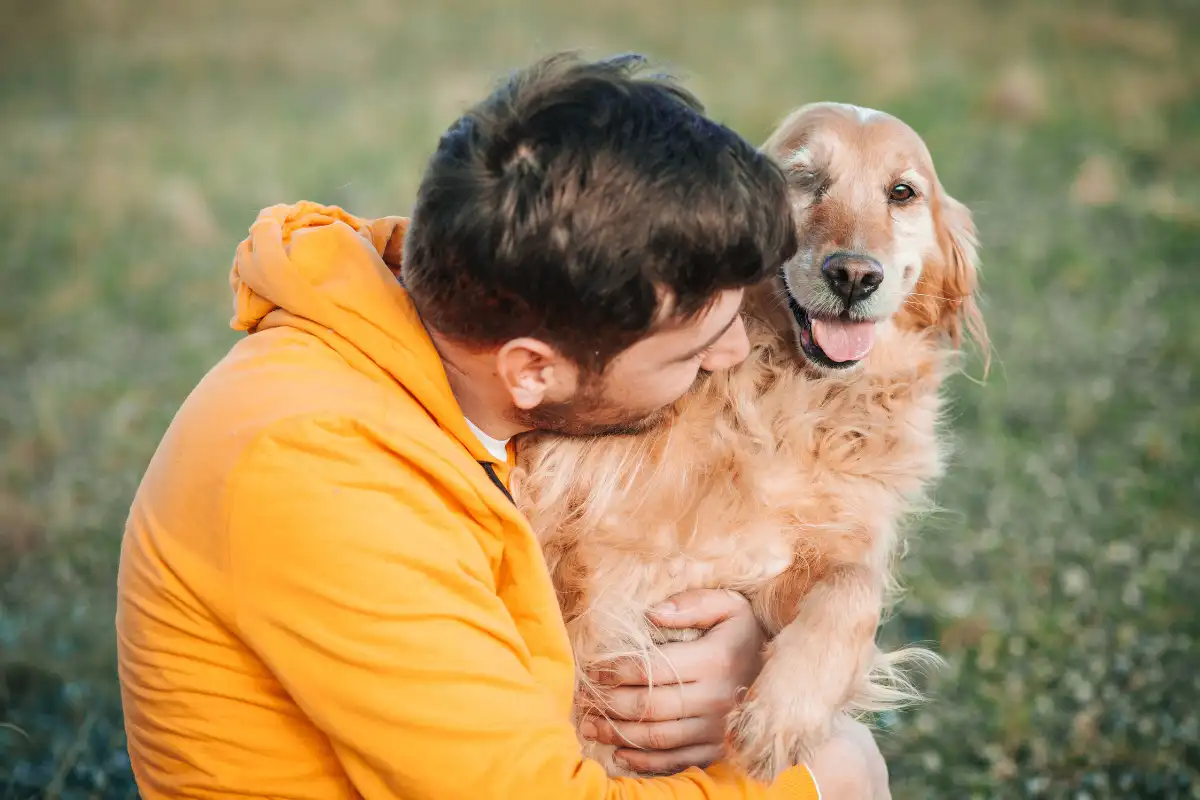
While owning a pet at home can be beneficial, structured interactions in treatment settings offer additional therapeutic advantages that are carefully guided by trained professionals. These interactions ensure that clients can engage with animals in safe, purposeful ways that complement their overall recovery plan.
Beyond providing companionship, therapy animals in treatment settings can help individuals practice emotional regulation, build trust, and develop coping skills in a controlled environment.
Here are some of the common ways 10 Acre Ranch and other treatment facilities integrate pets into care:
Animal‑Assisted Therapy (AAT)
Animal‑Assisted Therapy involves trained animals and certified therapists working together. This is not the same as casual pet visits — AAT is goal-oriented and documented within personalized treatment plans.
Goals might include:
- Reducing anxiety symptoms
- Enhancing emotional regulation
- Encouraging social interaction
AAT is often used alongside individual counseling or group therapy to enhance outcomes.
Pet Visitation Programs
Some treatment centers host scheduled pet visits, allowing clients to interact with therapy animals in safe, supervised environments. These interactions can:
- Boost mood
- Encourage gentle play and relaxation
- Reduce stress during particularly challenging therapy sessions
Equine Therapy (Hippotherapy)
Working with horses is especially powerful. Studies suggest equine therapy fosters confidence, self-awareness, and emotional balance — all critical elements in recovery.
Through equine therapy, individuals learn:
- Respectful communication
- Non-verbal cues
- Emotional patience
For people working through trauma or grief alongside recovery, this method is especially transformative.
Pets at Home: A Continued Source of Healing
Many individuals who complete treatment choose to bring pets into their home lives. This can help sustain progress by:
- Providing ongoing stress relief
- Reinforcing daily routines
- Offering emotional grounding during tough moments
For individuals transitioning to sober living, adopting or caring for a pet can be a meaningful step in building a stable, fulfilling future.

How to Introduce Pets into Your Recovery Plan
If you’re considering bringing a pet into your recovery, here are steps that can help ensure a positive experience:
1. Choose a Pet That Fits Your Lifestyle
Not all animals are right for everyone. Consider:
| Pet Type | Best For | Therapeutic Benefit |
| Dogs | Active lifestyles | Daily walks, social interaction |
| Cats | Calm, indoor settings | Quiet comfort, easy companionship |
| Rabbits/Guinea Pigs | Small homes | Gentle presence, calming petting |
| Horses (Therapeutic Only) | Structured programs | Emotional growth, trauma healing |
2. Work With Therapists
Professionals can guide you on how and when to involve pets in emotional work, ensuring interactions support recovery goals instead of becoming distractions.
3. Build Routine, Not Dependence
Use pet care as a healthy habit, but also continue practicing other coping skills such as:
- Mindfulness meditation
- Journaling
- Support group participation
- Individual counseling
Addressing Common Concerns
Can Pets Replace Traditional Therapy?
No. Pets are powerful adjuncts, not replacements for evidence-based therapies such as cognitive behavioral therapy (CBT), group counseling, or medical support. Pet support complements these treatments by enhancing emotional regulation and reducing anxiety.
What If I’m Allergic or Cannot Have a Pet?
You can still benefit from animal-assisted support through visitation, therapy animals, or community programs — even if you don’t own a pet at home.
Conclusion: The Unique Role Pets Play in Recovery
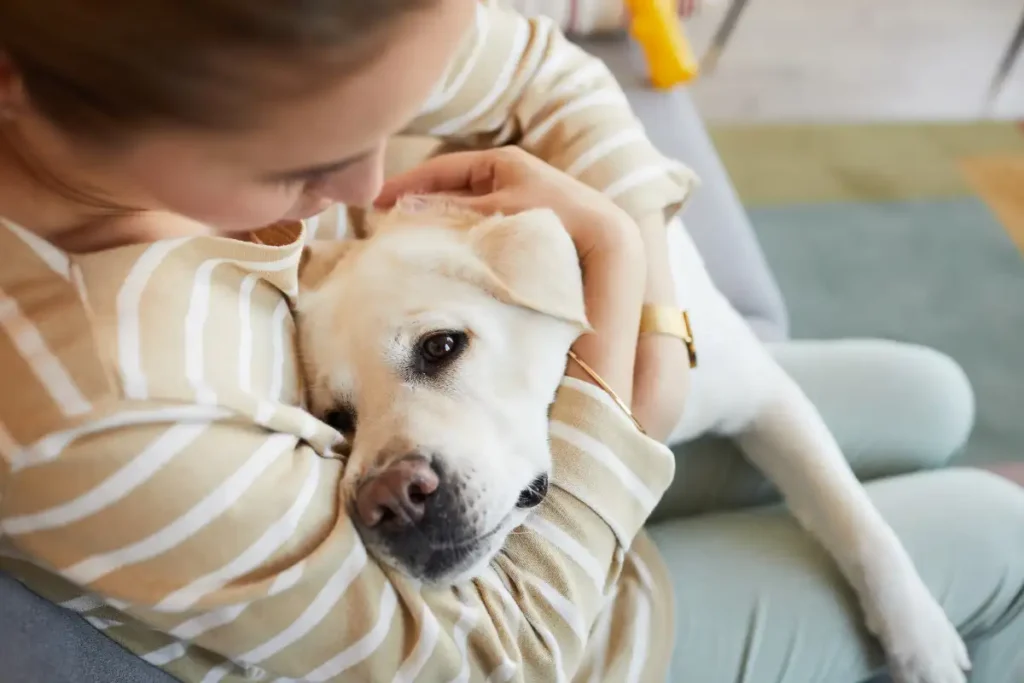
Pets can be a transformative part of the recovery process by:
- Reducing anxiety and stress
- Encouraging healthy routines
- Supporting emotional and social growth
- Helping minimize isolation
- Complementing clinical treatment
At 10 Acre Ranch, we recognize that recovery is a personal journey and that healing often happens in the relationships we build — including those with animals. If you’re struggling with anxiety as part of your recovery, consider how a pet-based support program might enhance your path to wellness.