Fentanyl has become one of the most dangerous drugs involved in the ongoing addiction crisis in the United States. Families across the country are facing heartbreaking consequences as fentanyl-related overdoses continue to rise. Understanding what fentanyl is, why it is so dangerous, and how to recognize the warning signs of fentanyl use can help save lives.
Whether you are concerned about a loved one struggling with substance abuse or simply want to protect your family through education, learning the facts about fentanyl is an important step. At 10 Acre Ranch, a trusted drug and alcohol rehab in Southern California, we believe that knowledge and early intervention can make a significant difference in preventing tragedy and helping individuals find lasting recovery.
What Is Fentanyl?
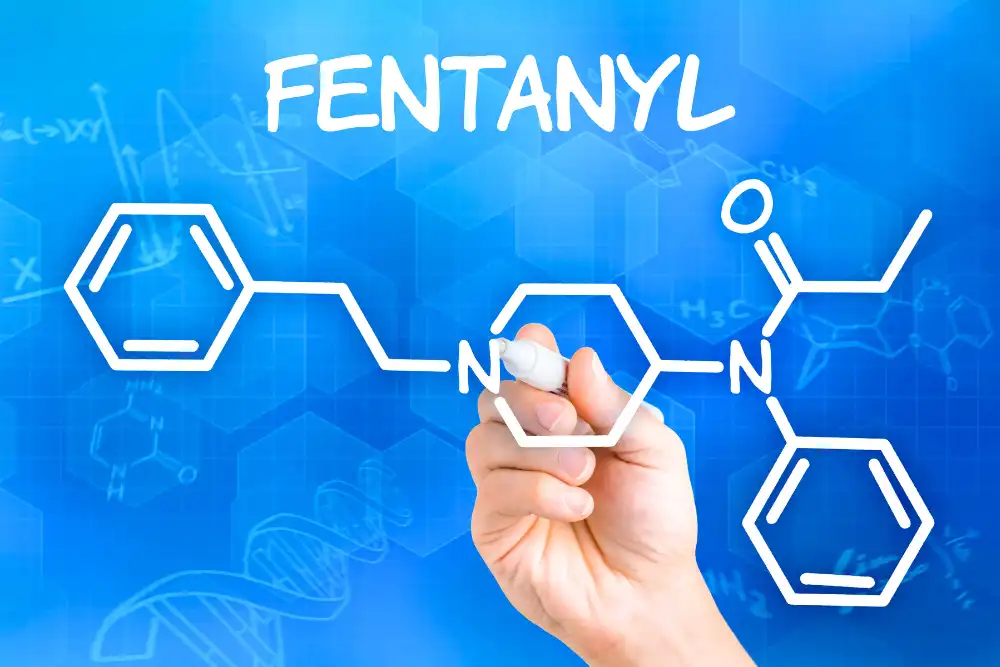
Fentanyl is a powerful synthetic opioid that was originally developed for medical use. Doctors may prescribe pharmaceutical fentanyl to treat severe pain, particularly after surgery or for patients experiencing chronic pain related to serious illnesses such as cancer.
While prescription fentanyl can be used safely under medical supervision, illegally manufactured fentanyl has become a major public health threat. Illicit fentanyl is often produced in unregulated laboratories and distributed through illegal drug markets. It is frequently mixed with other substances, making it especially dangerous because users often do not know they are consuming it.
Fentanyl is estimated to be approximately 50 times stronger than heroin and 100 times stronger than morphine. Because of its potency, even a very small amount can cause a fatal overdose.
Why Is Fentanyl So Dangerous?
One of the most alarming facts about fentanyl is that it can be deadly in extremely small quantities. A dose that appears insignificant can quickly slow or stop breathing, leading to overdose and death.
Several factors contribute to fentanyl’s danger:
Extreme Potency
Fentanyl binds to opioid receptors in the brain more powerfully than many other opioids. This can rapidly depress respiratory function, which is the primary cause of fatal opioid overdoses.
Hidden in Other Drugs
Many overdose victims never intended to take fentanyl. Illegal drug manufacturers often mix fentanyl into substances such as heroin, cocaine, methamphetamine, counterfeit prescription pills, and other street drugs.
A person may believe they are taking a different drug entirely, unaware that fentanyl is present.
Inconsistent Strength
Because illicit fentanyl is produced illegally, there is no quality control. One batch may contain significantly more fentanyl than another, increasing the risk of accidental overdose.
Rapid Addiction Potential
Like other opioids, fentanyl can produce intense feelings of euphoria. Repeated use can quickly lead to tolerance, dependence, and addiction, making it difficult for individuals to stop using without professional help.
Common Myths About Fentanyl
Misinformation about fentanyl can prevent families from recognizing the real risks. Here are several common myths and the facts behind them.
Myth: Fentanyl Only Affects Certain Groups of People
Fact: Fentanyl addiction and overdose can affect people from all backgrounds, ages, and socioeconomic groups. Students, professionals, parents, and retirees have all been impacted by the opioid epidemic.
Myth: Prescription Pills Are Always Safe
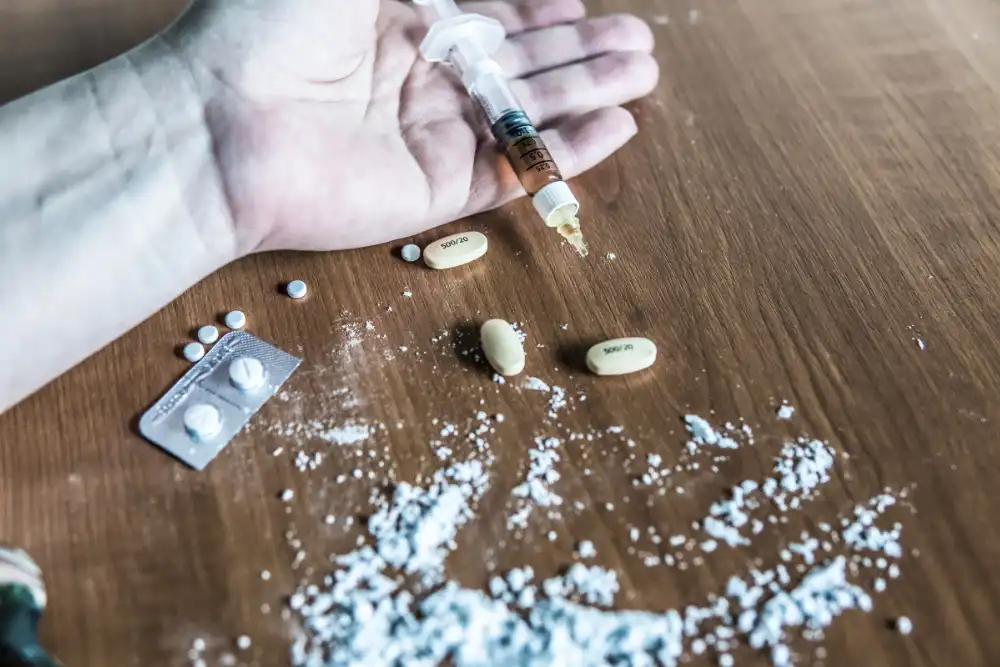
Fact: Counterfeit pills have become increasingly common. Pills that appear identical to legitimate medications such as oxycodone, Xanax, or Adderall may actually contain fentanyl.
Myth: Someone Can Easily Tell If a Drug Contains Fentanyl
Fact: Fentanyl is often impossible to detect without specialized testing. It may be mixed into drugs without changing their appearance, smell, or taste.
Myth: One-Time Use Cannot Cause an Overdose
Fact: Because fentanyl is so potent, a single use can result in a fatal overdose, particularly when the user is unaware of its presence.
Warning Signs of Fentanyl Use
Families should be aware of potential signs that a loved one may be using fentanyl or other opioids. While symptoms can vary, common warning signs include:
- Extreme drowsiness or sedation
- Pinpoint pupils
- Slowed breathing
- Frequent nodding off
- Sudden mood changes
- Withdrawal from family and friends
- Poor performance at work or school
- Loss of interest in hobbies and activities
- Financial problems or unexplained spending
- Secretive behavior
It is important to remember that these signs do not automatically indicate fentanyl use, but they may suggest a substance use disorder that requires attention.

Recognizing the Signs of a Fentanyl Overdose
Knowing how to identify an overdose can save a life. Fentanyl overdoses can occur quickly and require immediate emergency intervention.
Warning signs may include:
- Very slow or stopped breathing
- Blue or gray lips and fingernails
- Unresponsiveness
- Loss of consciousness
- Limp body
- Choking or gurgling sounds
- Inability to wake the person
If you suspect an overdose:
- Call 911 immediately.
- Administer naloxone (Narcan) if available.
- Try to keep the person breathing and awake.
- Stay with them until emergency responders arrive.
Prompt action can significantly improve the chances of survival.
Need Help? Let’s Talk!
Your path to recovery begins with a simple conversation.
Call now to speak confidentially with an admission counselor.
How Fentanyl Addiction Develops
Fentanyl addiction often develops through a combination of physical dependence and psychological cravings.
Initially, a person may use fentanyl recreationally or unknowingly consume it in another substance. Over time, the brain adapts to the drug’s presence, leading to tolerance. This means the individual needs larger amounts to achieve the same effects.
As tolerance increases, dependence can develop. When the drug is no longer present, withdrawal symptoms may occur, including:
- Anxiety
- Restlessness
- Muscle aches
- Nausea and vomiting
- Sweating
- Insomnia
- Intense cravings
These symptoms often drive continued drug use, creating a cycle that can be difficult to break without professional treatment.
The Impact of Fentanyl on Families
Addiction rarely affects only the person using the substance. Family members often experience emotional, financial, and psychological consequences as well.
Loved ones may struggle with:
- Constant worry about overdose
- Relationship conflicts
- Loss of trust
- Financial strain
- Emotional exhaustion
- Feelings of guilt or helplessness
Parents may feel especially overwhelmed when a child or young adult becomes involved with fentanyl. However, it is important to remember that addiction is a treatable medical condition, not a moral failing.
Seeking professional support can help both the individual and the family begin the healing process.
How Families Can Help Prevent Fentanyl-Related Tragedies
While no prevention strategy is perfect, families can take proactive steps to reduce risk.
Have Open Conversations
Talk honestly with children, teens, and young adults about fentanyl and the dangers of counterfeit pills. Open communication helps create trust and encourages questions.
Learn the Warning Signs
Education allows families to recognize potential substance use issues early, before they become more severe.
Store Medications Safely
Keep prescription medications secured and dispose of unused medications properly.
Carry Naloxone
Many communities offer naloxone without a prescription. Having it available can provide an extra layer of protection during an emergency.
Encourage Professional Help
If you suspect a loved one is struggling with opioid use, encourage them to seek treatment as soon as possible.
Treatment for Fentanyl Addiction
Because fentanyl addiction can be extremely powerful, professional treatment is often necessary for successful recovery.
Effective treatment may include:
Medical Detox
Detox helps individuals safely manage withdrawal symptoms under medical supervision. This is often the first step in recovery.
Residential Treatment
Inpatient rehab provides a structured environment where individuals can focus entirely on recovery while receiving professional support.
Individual Therapy
Counseling helps clients identify the underlying causes of substance use and develop healthier coping skills.
Group Therapy
Peer support can reduce feelings of isolation and provide encouragement throughout the recovery journey.
Relapse Prevention
Learning how to manage triggers and high-risk situations is essential for maintaining long-term sobriety.

Finding Hope After Fentanyl Addiction
Although fentanyl has contributed to countless tragedies, recovery is possible. Every day, individuals overcome opioid addiction and rebuild meaningful, healthy lives.
The key is seeking help as early as possible. The longer addiction continues, the greater the risks become. Families who recognize the signs and take action can play a critical role in helping their loved ones access treatment.
At 10 Acre Ranch, we understand the devastating impact fentanyl addiction can have on individuals and families. Our Southern California drug and alcohol rehab provides compassionate, evidence-based treatment designed to help clients achieve lasting recovery. Through personalized care, therapeutic support, and a commitment to long-term healing, we help individuals take the first steps toward a healthier future.
Final Thoughts
Fentanyl remains one of the most dangerous substances involved in today’s addiction crisis. Its potency, widespread presence in illegal drugs, and high overdose risk make education more important than ever.
By understanding the facts about fentanyl, recognizing warning signs, and knowing when to seek professional help, families can better protect their loved ones and potentially save lives. If someone you care about is struggling with fentanyl use or opioid addiction, reaching out for treatment today could be the first step toward recovery and hope.