
The question, “Can you recover from addiction without rehab?” is common among people struggling with drug or alcohol use and their loved ones. The short answer is yes—some people are able to stop using substances without entering a residential rehabilitation program. However, addiction is a complex condition, and trying to overcome it without professional support can present significant challenges and risks.
Recovery does not look exactly the same for everyone. Some people may benefit from outpatient treatment, therapy, support groups, medication-assisted treatment, or other forms of professional care. Others may require a structured residential program to safely stabilize and address the underlying causes of addiction.
Understanding the available options can help you make an informed decision about what type of addiction treatment may be appropriate for your situation.
What Does It Mean to Recover from Addiction?
Addiction is more than simply choosing to stop drinking or using drugs. Substance use disorders can affect the brain, behavior, emotions, relationships, and physical health. Over time, a person may continue using a substance despite experiencing negative consequences.
Recovery involves more than stopping substance use. It can also involve learning how to manage cravings, recognize triggers, address underlying emotional concerns, rebuild relationships, and develop healthier ways to cope with stress.
For some individuals, recovery may begin with stopping substance use independently. However, maintaining long-term sobriety can become more difficult without a reliable support system and appropriate treatment.
Can You Stop Using Drugs or Alcohol Without Rehab?
Some people do stop using drugs or alcohol without attending residential rehab. This may happen with the support of family members, friends, healthcare professionals, therapists, recovery groups, or other resources.
However, there is an important distinction between stopping substance use and treating addiction.
A person may be able to stop using a substance for a period of time but still struggle with cravings, triggers, unhealthy thought patterns, or environmental factors that contribute to continued substance use.
For others, suddenly stopping certain substances can also result in potentially dangerous withdrawal symptoms. Alcohol and some drugs can cause serious withdrawal complications, making medical guidance particularly important.
Because of these risks, attempting to quit without professional evaluation is not always appropriate.
What Are the Risks of Quitting Without Professional Support?
One of the biggest concerns with attempting to recover without treatment is that withdrawal can be unpredictable.
Withdrawal symptoms vary depending on the substance, frequency and duration of use, amount consumed, and individual health factors. Symptoms can range from anxiety, irritability, insomnia, nausea, and sweating to more serious complications.
Alcohol withdrawal, for example, can become medically dangerous for some people. Certain forms of withdrawal may require medical monitoring and medication to reduce complications.
Another concern is relapse. Without professional guidance, a person may have difficulty identifying the situations, emotions, relationships, or behaviors that contribute to substance use.

This does not mean that someone who relapses has failed. Addiction is a treatable condition, and setbacks can provide important information about what additional support may be needed.
Why Do People Choose to Avoid Rehab?
There are many reasons someone may hesitate to enter a rehabilitation program.
Some people worry about the cost of treatment or taking time away from work and family responsibilities. Others may believe their substance use is not serious enough to require rehab. Fear of judgment, concerns about privacy, previous negative experiences with healthcare, or uncertainty about what happens in treatment can also influence the decision.
Some people may also believe that needing rehab means they lack willpower.
Addiction, however, is not simply a matter of willpower. Substance use can produce changes in the brain’s reward, motivation, and stress systems, making it difficult for some individuals to stop using despite wanting to change.
Seeking professional help should not be viewed as a sign of weakness. For many people, treatment provides structure, accountability, education, and support that can make the recovery process more manageable.
Need Help? Let’s Talk!
Your path to recovery begins with a simple conversation.
Call now to speak confidentially with an admission counselor.

What Are the Alternatives to Residential Rehab?
Rehabilitation does not always mean living at a treatment center. There are several levels of care that may be considered depending on an individual’s needs.
Outpatient Treatment
Outpatient programs allow people to receive treatment while continuing to live at home. Services may include individual counseling, group therapy, educational sessions, relapse-prevention planning, and medical care.
This approach may be appropriate for people who have a stable home environment and do not require around-the-clock supervision.
Intensive Outpatient Programs
An intensive outpatient program, or IOP, provides more structured treatment than standard outpatient care while allowing participants to return home between sessions.
IOP can provide regular therapy and support while allowing a person to maintain certain family, educational, or employment responsibilities.
Therapy and Counseling
Individual therapy can help a person understand the thoughts, emotions, and behaviors connected to substance use. Therapists may use evidence-based approaches to help individuals develop healthier coping strategies and identify triggers.
Family therapy can also be valuable when addiction has affected relationships or when family dynamics are contributing to stress.
Peer Support Groups
Support groups can provide connection with people who have experienced similar struggles. Peer support may help reduce isolation and provide encouragement during difficult periods.
However, support groups may work best as one component of a broader recovery plan, particularly for individuals with moderate or severe substance use disorders.
Medication-Assisted Treatment
For certain substance use disorders, medications can be used as part of treatment. Medication may help reduce cravings, manage withdrawal, or decrease the risk of returning to substance use.
Medication should be evaluated and monitored by qualified healthcare professionals.
When Might Rehab Be Necessary?
There is no single rule that determines whether someone needs residential rehab. A professional assessment can help determine the appropriate level of care.
Residential treatment may be particularly helpful when a person has been unable to stop using substances independently, experiences significant cravings, lives in an environment where substance use is common, or has repeatedly returned to use after attempting to quit.
Rehab can also provide a structured environment where people can temporarily step away from situations and routines associated with substance use.
For someone whose addiction has significantly affected work, relationships, finances, health, or daily functioning, a higher level of support may be worth considering.
How Does Rehab Help With Addiction?
A professional drug and alcohol rehab program can address multiple aspects of addiction at the same time.
Treatment may begin with an assessment to understand a person’s substance use history, physical health, mental health, family circumstances, and treatment goals.
Depending on the individual’s needs, treatment can include medical support, individual therapy, group counseling, behavioral therapies, family involvement, life-skills education, and relapse-prevention planning.
One important benefit of residential treatment is structure. Instead of relying entirely on personal motivation in the same environment where substance use has occurred, individuals can spend time in a setting designed to support recovery.
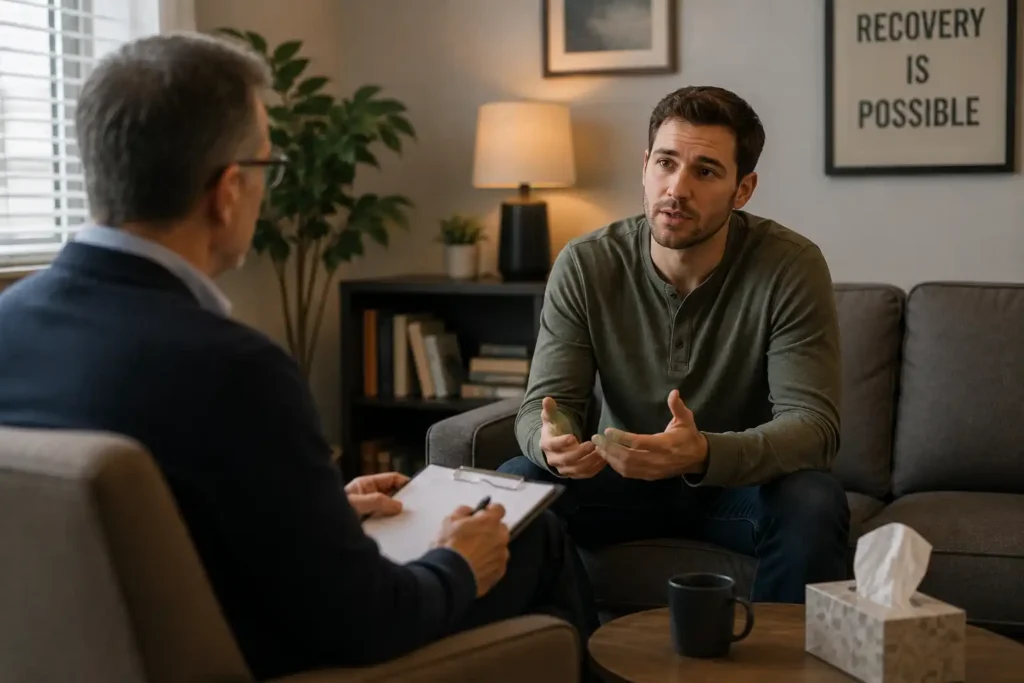
Professional treatment can also help uncover issues that may contribute to substance use, such as trauma, anxiety, depression, unresolved family conflict, or chronic stress.
Addressing these factors can be an important part of developing healthier long-term coping strategies.
What If You Have Already Tried to Quit on Your Own?
Trying to stop using drugs or alcohol independently does not mean professional treatment is no longer an option. In fact, previous attempts can help identify what has and has not worked.
Consider asking yourself:
- What situations made it difficult to stay sober?
- Did cravings become overwhelming?
- Did stress or emotional distress lead to substance use?
- Did I return to an environment where drugs or alcohol were readily available?
- Did I have enough support from family, friends, or professionals?
- Did I experience withdrawal symptoms that made stopping difficult?
- Have repeated attempts to quit resulted in returning to substance use?
Your answers may reveal areas where additional support could make a difference.
Recovery Does Not Have to Be an All-or-Nothing Decision
People sometimes view addiction treatment as a choice between handling everything alone and entering a residential rehab facility. In reality, treatment exists along a continuum.
Someone may begin by speaking with a doctor or addiction professional. Another person may start with therapy or an outpatient program. Someone experiencing severe addiction or an unsafe home environment may need a more structured level of care.
The appropriate approach depends on the person’s circumstances.
The important step is to avoid allowing uncertainty about rehab to prevent you from seeking help altogether.

When Should You Ask for Help?
If drug or alcohol use is becoming difficult to control, seeking professional advice can be an important first step.
Consider reaching out if substance use is affecting your relationships, employment, finances, physical health, or emotional well-being. Professional support may also be appropriate if you repeatedly try to stop but find yourself returning to substance use.
You do not need to wait until every area of your life has been affected before asking for help. A confidential assessment with an addiction treatment professional can help determine what level of care may be appropriate and whether residential rehab, outpatient treatment, or another option is suitable.
Getting Support for Addiction in Southern California
If you are wondering, “Can I recover from addiction without rehab?”, the answer depends on your individual circumstances. Some people may successfully stop using substances with less intensive support, while others need the structure and professional care provided by a rehabilitation program.
What matters is finding an approach that addresses your needs and provides appropriate support for the challenges you are facing.
At 10 Acre Ranch, individuals can access a structured environment focused on addressing substance use and the factors that can contribute to it. Professional treatment can provide an opportunity to step away from harmful patterns, learn healthier coping strategies, and work toward meaningful changes with support.
If addiction has become difficult to manage on your own, you do not have to figure out the next step by yourself. Reach out to 10 Acre Ranch today to learn more about addiction treatment options in Southern California and find out what level of care may be right for you.