
Depression and substance abuse often go hand in hand, creating a cycle that can feel impossible to escape. Someone struggling with depression may turn to drugs or alcohol to numb emotional pain, while ongoing substance use can worsen depression symptoms over time. What starts as a temporary escape can quickly develop into a serious addiction that affects every aspect of life.
This combination of mental health challenges and addiction is known as a co-occurring disorder or dual diagnosis. It requires specialized treatment that addresses both conditions together rather than focusing on only one. At 10 Acre Ranch, a trusted drug and alcohol rehab in Southern California, individuals receive comprehensive care designed to treat the underlying causes of addiction while supporting long-term emotional wellness.
Understanding how depression and substance abuse feed into one another is the first step toward breaking the cycle and building a healthier future.
Understanding Depression
Depression is more than simply feeling sad after a difficult day. It is a serious mental health condition that affects how a person thinks, feels, and functions. Depression can interfere with relationships, work, school, and daily responsibilities, making even simple tasks feel overwhelming.
Common symptoms of depression include:
- Persistent sadness or emptiness
- Loss of interest in hobbies or favorite activities
- Fatigue or lack of energy
- Changes in sleep patterns
- Appetite or weight changes
- Difficulty concentrating
- Feelings of guilt, hopelessness, or worthlessness
- Irritability
- Thoughts of self-harm or suicide
Depression affects people differently. Some experience intense sadness, while others mainly feel emotionally numb or disconnected. Without treatment, symptoms can continue for months or even years.
How Depression Leads to Substance Abuse
Many people living with depression attempt to manage their symptoms on their own. Instead of seeking professional help, they may use alcohol, prescription medications, marijuana, stimulants, or other drugs to temporarily relieve emotional pain.
This behavior is commonly known as self-medication.
Initially, substances may seem to provide relief by:
- Reducing anxiety
- Creating temporary feelings of happiness
- Helping someone fall asleep
- Numbing emotional distress
- Increasing confidence in social situations
Unfortunately, these effects are only temporary.
Once the substance wears off, depression often returns even more intensely. Over time, larger amounts of drugs or alcohol are needed to achieve the same effect, increasing the risk of dependence and addiction.
Rather than solving depression, substance use often makes it significantly worse.
How Substance Abuse Worsens Depression
While people may begin using substances to escape depression, addiction changes the brain in ways that can deepen depressive symptoms.
Alcohol and many drugs interfere with the brain’s natural production of neurotransmitters like dopamine and serotonin, which help regulate mood. As dependence develops, the brain becomes less capable of producing feelings of pleasure naturally.

As addiction progresses, people often experience:
- Increased sadness
- Loss of motivation
- Emotional instability
- Poor decision-making
- Relationship problems
- Financial stress
- Legal consequences
- Job loss
- Social isolation
These consequences create even more emotional pain, reinforcing depression and increasing the urge to continue using substances.
This creates a destructive cycle:
- Depression causes emotional pain.
- Drugs or alcohol provide temporary relief.
- Substance use worsens depression.
- More substance use follows to escape worsening symptoms.
Without professional treatment, this cycle becomes increasingly difficult to break.
Which Substances Are Commonly Linked to Depression?
Almost any addictive substance can contribute to depression, but several are especially associated with mood disorders.
Alcohol
Alcohol is one of the most common substances people use to cope with depression. Although it may initially create feelings of relaxation, alcohol is a depressant that slows brain function and can intensify sadness, anxiety, and hopelessness.
Heavy drinking also disrupts sleep, which further contributes to depression.
Opioids
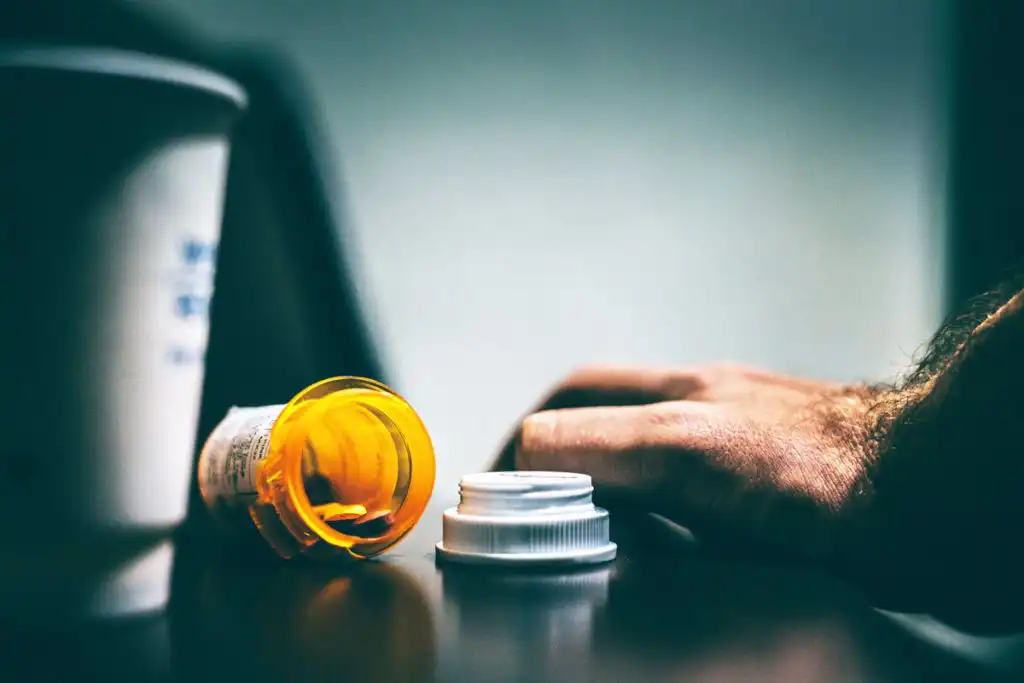
Prescription painkillers, heroin, and fentanyl produce intense feelings of pleasure during use. However, prolonged opioid use changes brain chemistry, making it difficult to experience happiness without the drug. Withdrawal often includes severe depression and emotional distress.
Methamphetamine
Methamphetamine creates a powerful surge of dopamine, but repeated use damages the brain’s reward system. During withdrawal, many people experience overwhelming depression, exhaustion, and emotional numbness.
Cocaine
Cocaine temporarily boosts mood and energy but is often followed by a significant emotional crash. Repeated use increases the likelihood of anxiety and depression.
Marijuana
Although some individuals believe marijuana helps them relax, heavy or prolonged use may worsen depression symptoms in certain people, particularly those with underlying mental health conditions.
Need Help? Let’s Talk!
Your path to recovery begins with a simple conversation.
Call now to speak confidentially with an admission counselor.
Warning Signs of Co-Occurring Depression and Addiction
Recognizing both conditions early can improve treatment outcomes.
Signs that someone may be experiencing depression alongside substance abuse include:
- Drinking or using drugs alone
- Increased substance use during stressful situations
- Loss of interest in family or friends
- Frequent mood swings
- Sleeping too much or too little
- Missing work or school
- Neglecting personal hygiene
- Secretive behavior
- Declining physical health
- Feelings of hopelessness
- Difficulty managing responsibilities
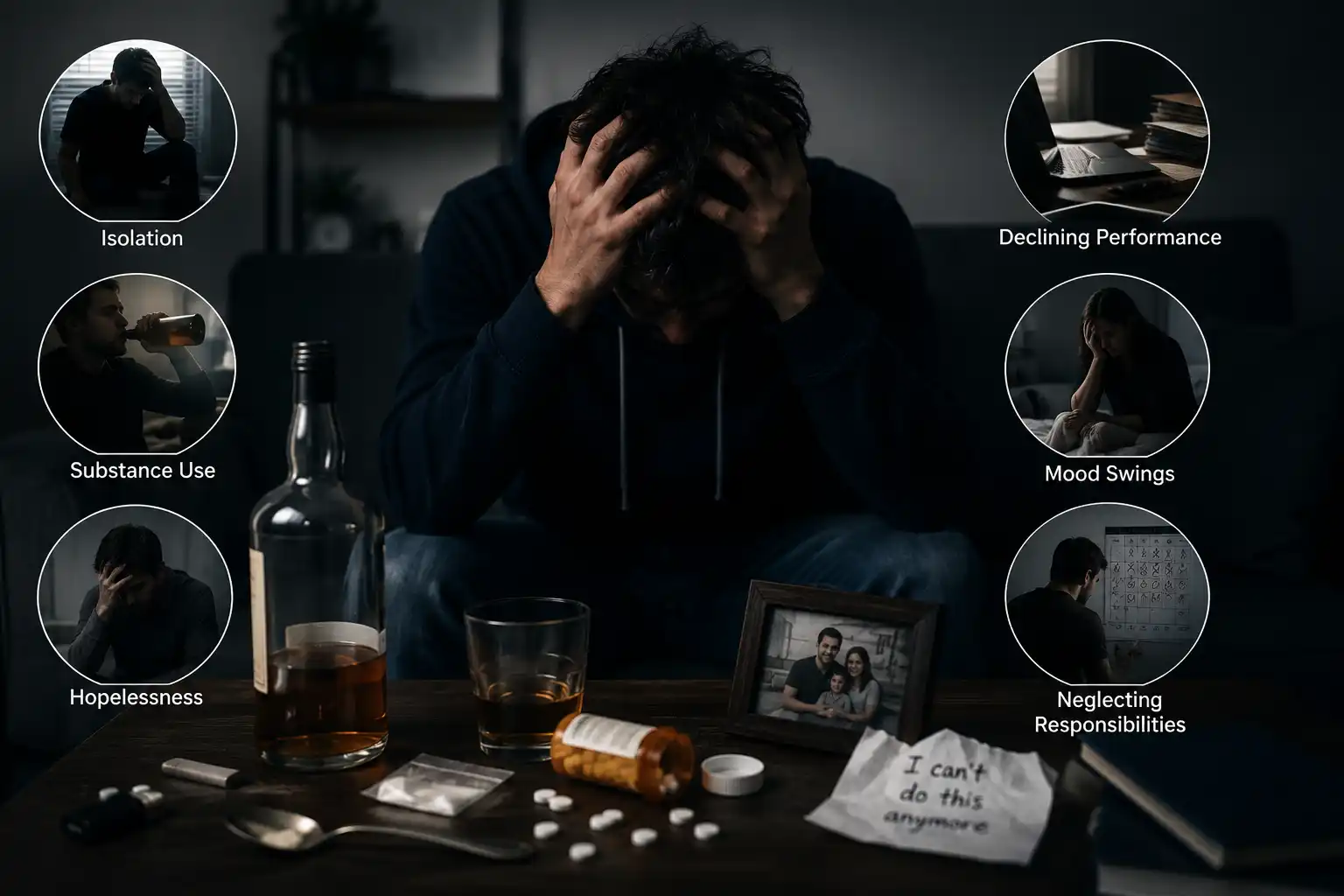
Family members often notice behavioral changes long before the individual recognizes the seriousness of the problem.
Why Treating Only One Condition Often Fails
One of the biggest mistakes in recovery is treating addiction without addressing depression—or treating depression while ignoring substance abuse.
For example:
If someone completes detox but never receives treatment for depression, emotional pain may eventually trigger relapse.
Likewise, treating depression while a person continues using drugs or alcohol often limits the effectiveness of therapy and medication.
Because these conditions influence each other, successful recovery usually requires integrated treatment that addresses both simultaneously.
This approach significantly improves long-term recovery outcomes.
Effective Treatment for Depression and Substance Abuse
Recovery is possible with the right combination of evidence-based care and ongoing support.
Medical Detox
For individuals physically dependent on drugs or alcohol, medical detox provides a safe environment to manage withdrawal symptoms under professional supervision.
Detox is an important first step, but it is not a complete treatment for addiction.
Individual Therapy
Working one-on-one with a therapist helps individuals identify:
- Underlying causes of depression
- Trauma
- Negative thought patterns
- Emotional triggers
- Healthy coping strategies
Therapies such as Cognitive Behavioral Therapy (CBT) can be especially effective in treating both depression and addiction.
Group Therapy
Group counseling allows individuals to connect with others facing similar challenges. Sharing experiences reduces feelings of isolation and builds accountability during recovery.
Medication Management
For some individuals, antidepressant medications may be recommended alongside therapy. When monitored by qualified medical professionals, medication can help stabilize mood while individuals work on recovery.
Family Therapy
Depression and addiction affect the entire family. Family therapy improves communication, rebuilds trust, and teaches loved ones how to provide healthy support throughout recovery.
Holistic Therapies
Many treatment programs incorporate activities that improve overall wellness, including:
- Exercise
- Mindfulness practices
- Meditation
- Nutritional counseling
- Stress management
- Recreational activities
These approaches help individuals develop healthier ways to manage depression without turning to substances.

Building Healthy Coping Skills
Long-term recovery depends on replacing unhealthy coping mechanisms with positive habits.
Healthy ways to manage depression include:
- Staying physically active
- Following a consistent sleep schedule
- Eating nutritious meals
- Practicing mindfulness
- Journaling emotions
- Spending time with supportive friends and family
- Attending support groups
- Continuing therapy after rehab
- Setting realistic personal goals
These habits may seem small individually, but together they strengthen emotional resilience and reduce relapse risk.
The Importance of Ongoing Recovery Support
Recovery does not end after completing rehab.
Depression symptoms may continue even after substance use stops, making ongoing support essential for maintaining sobriety.
Many individuals benefit from:
- Continued counseling
- Peer recovery groups
- Alumni programs
- Relapse prevention planning
- Regular mental health check-ins
- Healthy daily routines
Long-term support helps individuals navigate life’s challenges without returning to drugs or alcohol.
Breaking the Cycle at 10 Acre Ranch
Living with both depression and addiction can feel overwhelming, but recovery is possible. With compassionate care and evidence-based treatment, individuals can address the emotional pain driving substance use while developing healthier ways to cope.
At 10 Acre Ranch, we understand that lasting recovery means treating the whole person—not just the addiction. Our experienced team provides comprehensive, individualized treatment for people facing co-occurring mental health disorders and substance use challenges. Through personalized care, therapy, relapse prevention, and ongoing support, clients gain the tools they need to achieve lasting sobriety and improved mental health.

If you or someone you love is struggling with depression and substance abuse, don’t wait for the cycle to become more destructive. Reach out to 10 Acre Ranch today and take the first step toward healing, hope, and a healthier future.