
Anxiety and addiction frequently occur together, creating a complex cycle that can be difficult to break without professional help. Millions of people struggle with anxiety disorders, and many turn to drugs or alcohol as a way to cope with overwhelming symptoms. While substances may provide temporary relief, they often worsen anxiety over time and increase the risk of developing a substance use disorder.
Understanding the connection between anxiety and addiction is essential for individuals seeking recovery and their loved ones who want to provide support. At 10 Acre Ranch, a leading drug and alcohol rehab in Southern California, we specialize in treating both addiction and the underlying mental health conditions that contribute to it. Through comprehensive, evidence-based care, individuals can achieve lasting recovery and improved emotional well-being.
What Is Anxiety?
Anxiety is a natural response to stress, uncertainty, or perceived threats. Everyone experiences anxiety from time to time, especially during challenging situations such as job interviews, financial difficulties, or major life changes. However, when anxiety becomes persistent, excessive, and difficult to control, it may develop into an anxiety disorder.
Common anxiety disorders include:
- Generalized Anxiety Disorder (GAD)
- Panic Disorder
- Social Anxiety Disorder
- Specific Phobias
- Separation Anxiety Disorder
- Agoraphobia
Individuals with anxiety disorders often experience symptoms such as:
- Excessive worry or fear
- Restlessness or feeling on edge
- Difficulty concentrating
- Irritability
- Rapid heartbeat
- Muscle tension
- Sweating
- Sleep disturbances
- Panic attacks
Without proper treatment, chronic anxiety can significantly impact daily functioning, relationships, work performance, and overall quality of life.
What Is Addiction?
Addiction, also known as a substance use disorder (SUD), is a chronic condition characterized by the compulsive use of drugs or alcohol despite negative consequences. Addiction affects the brain’s reward system, making it difficult for individuals to stop using substances even when they want to.
Commonly abused substances include:
- Alcohol
- Prescription opioids
- Heroin
- Cocaine
- Methamphetamine
- Benzodiazepines
- Marijuana
- Prescription stimulants
Addiction can affect every aspect of a person’s life, including physical health, mental health, finances, relationships, and career stability.
The Link Between Anxiety and Addiction
Anxiety and addiction are closely connected. Research has consistently shown that individuals with anxiety disorders are more likely to develop substance use disorders, while those struggling with addiction often experience significant anxiety symptoms.
This relationship is often referred to as a co-occurring disorder or dual diagnosis. In many cases, one condition can contribute to the development of the other.
Self-Medication and Anxiety
One of the most common reasons anxiety and addiction occur together is self-medication.
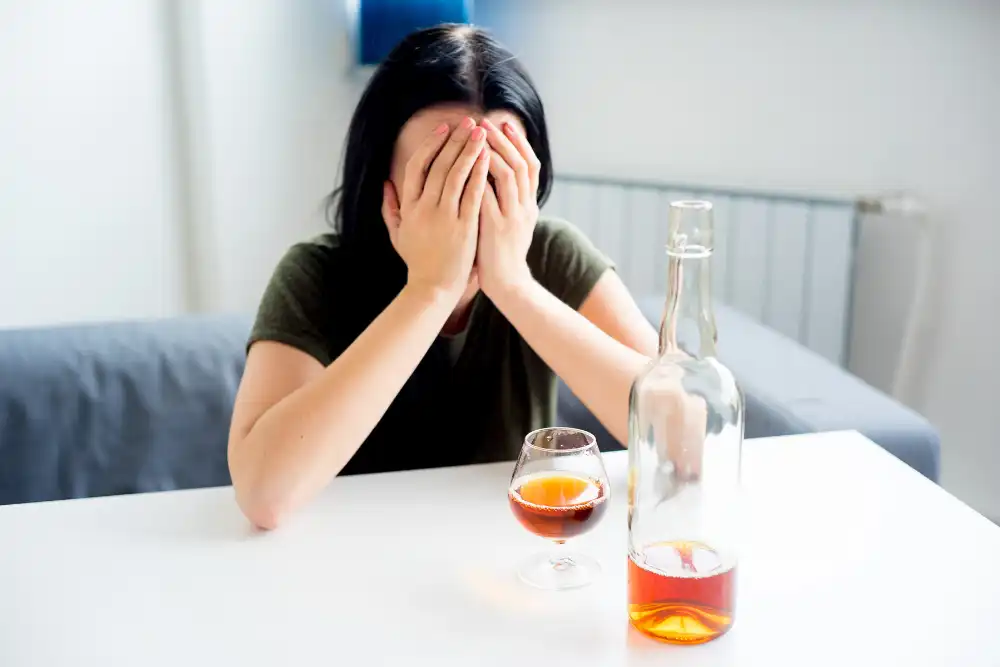
People experiencing chronic anxiety may turn to substances to temporarily relieve uncomfortable symptoms such as:
- Nervousness
- Racing thoughts
- Social discomfort
- Panic attacks
- Insomnia
For example:
- Alcohol may help someone feel relaxed in social situations.
- Benzodiazepines may reduce feelings of panic or fear.
- Marijuana may create a temporary sense of calm.
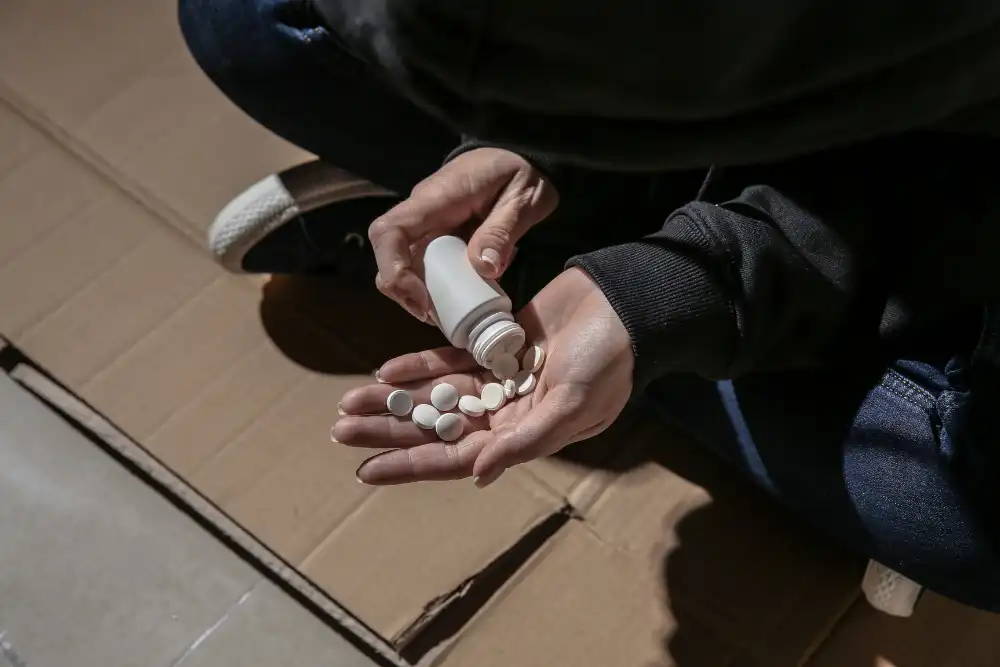
- Opioids may provide emotional numbness and escape from distress.
Initially, these substances may seem effective. However, the relief is short-lived. As tolerance develops, individuals often require larger amounts to achieve the same effect, increasing the risk of dependence and addiction.
How Substance Abuse Worsens Anxiety
Although drugs and alcohol may provide temporary relief, they often make anxiety worse in the long run.
Substance use can:
- Alter brain chemistry
- Disrupt neurotransmitter balance
- Increase emotional instability
- Interfere with healthy coping skills
- Cause withdrawal symptoms that trigger anxiety
For example, alcohol is a depressant that may initially reduce stress. However, as alcohol leaves the body, anxiety often returns with greater intensity. This phenomenon is commonly known as “rebound anxiety.”
Similarly, stimulant drugs such as cocaine and methamphetamine can increase heart rate, paranoia, and panic symptoms, often leading to severe anxiety episodes.

Common Anxiety Disorders Associated With Addiction
Several anxiety disorders are particularly linked to substance abuse.
Generalized Anxiety Disorder (GAD)
People with GAD experience excessive worry about everyday situations. Persistent anxiety can lead individuals to use alcohol or drugs in an attempt to calm their thoughts.
Social Anxiety Disorder
Social anxiety involves intense fear of being judged or embarrassed in social situations. Many individuals use alcohol or other substances to reduce discomfort during social interactions, increasing the risk of addiction.
Panic Disorder
Panic disorder causes sudden and intense panic attacks that may include chest pain, dizziness, sweating, and shortness of breath. Individuals may misuse medications or substances in an attempt to prevent future attacks.
Post-Traumatic Stress Disorder (PTSD)
Although PTSD is classified separately from anxiety disorders, it often includes significant anxiety symptoms. Trauma survivors frequently struggle with substance abuse as they attempt to manage intrusive memories, hypervigilance, and emotional distress.
Need Help? Let’s Talk!
Your path to recovery begins with a simple conversation.
Call now to speak confidentially with an admission counselor.
Signs of Co-Occurring Anxiety and Addiction
Recognizing the signs of both conditions can help individuals seek treatment before symptoms worsen.
Common indicators include:
- Using drugs or alcohol to cope with stress
- Increased substance use during anxious periods
- Frequent panic attacks
- Persistent feelings of worry or fear
- Isolation from friends and family
- Difficulty sleeping
- Mood swings
- Irritability
- Poor work or school performance
- Continued substance use despite negative consequences
When anxiety and addiction occur together, both conditions must be addressed simultaneously for treatment to be effective.
Why Dual Diagnosis Treatment Is Essential
Treating only addiction while ignoring anxiety can increase the risk of relapse. Likewise, treating anxiety without addressing substance abuse often leads to ongoing substance use and worsening mental health symptoms.
Dual diagnosis treatment provides an integrated approach that addresses both disorders at the same time.
Benefits of dual diagnosis treatment include:
- Improved mental health outcomes
- Reduced relapse risk
- Better coping strategies
- Enhanced emotional regulation
- Increased treatment engagement
- Stronger long-term recovery success
At 10 Acre Ranch, dual diagnosis treatment is a core component of our recovery programs, helping individuals build a solid foundation for lasting sobriety.
Effective Treatments for Anxiety and Addiction
Recovery is possible with the right combination of therapies and support services.
Medical Detox
For individuals who are physically dependent on drugs or alcohol, medical detox is often the first step. Detox allows the body to safely eliminate substances while managing withdrawal symptoms under professional supervision.
Cognitive Behavioral Therapy (CBT)
CBT is one of the most effective treatments for both anxiety and addiction. This evidence-based therapy helps individuals identify negative thought patterns and develop healthier coping mechanisms.
CBT can help clients:
- Manage anxious thoughts
- Reduce emotional triggers
- Improve problem-solving skills
- Prevent relapse
Medication Management
In some cases, medications may be prescribed to help manage anxiety symptoms. When used appropriately and monitored by medical professionals, medication can support recovery and improve overall functioning.
Group Therapy
Group therapy provides a supportive environment where individuals can share experiences, learn from others, and build healthy social connections.
Trauma-Informed Care
Many individuals struggling with anxiety and addiction have a history of trauma. Trauma-informed treatment addresses the root causes of emotional distress while promoting safety and healing.
Holistic Therapies
Holistic approaches can complement traditional treatment methods by supporting overall wellness.
Examples include:
- Mindfulness meditation
- Yoga
- Exercise
- Nutrition counseling
- Stress management techniques
These practices help individuals reduce anxiety naturally while strengthening recovery skills.

The Importance of Healthy Coping Strategies
One of the most important aspects of recovery is learning healthier ways to manage anxiety.
Effective coping strategies include:
Regular Exercise
Physical activity releases endorphins, improves mood, and reduces stress levels.
Mindfulness and Meditation
Mindfulness practices help individuals stay present and reduce excessive worry about the future.
Healthy Sleep Habits
Adequate sleep supports emotional regulation and mental health.
Strong Support Networks
Maintaining relationships with supportive friends, family members, and recovery peers can reduce feelings of isolation and anxiety.
Professional Counseling
Ongoing therapy provides a safe space to address challenges, build resilience, and maintain recovery progress.
Long-Term Recovery Is Possible
Living with both anxiety and addiction can feel overwhelming, but recovery is achievable. With comprehensive treatment, individuals can learn to manage anxiety without relying on drugs or alcohol.
Long-term recovery involves more than abstinence. It requires developing healthy coping skills, improving emotional well-being, addressing underlying mental health concerns, and building a meaningful life in sobriety.
The earlier treatment begins, the greater the opportunity for lasting success.
Find Help for Anxiety and Addiction at 10 Acre Ranch
If you or a loved one is struggling with anxiety and substance abuse, professional treatment can make all the difference. Because anxiety and addiction often fuel one another, addressing both conditions simultaneously is essential for achieving lasting recovery.
At 10 Acre Ranch, our experienced team provides comprehensive dual diagnosis treatment designed to help individuals overcome addiction while addressing underlying anxiety disorders. Through evidence-based therapies, individualized care, and a supportive recovery environment, we help clients build the skills needed for long-term sobriety and improved mental health.
You do not have to face anxiety and addiction alone. Reach out to 10 Acre Ranch today and take the first step toward a healthier, more fulfilling future.