

Entering rehab for the first time can feel overwhelming. Along with the emotional and mental preparation that comes with beginning recovery, many people also wonder what they should pack for treatment. Knowing what to bring to rehab can help reduce anxiety, make the transition smoother, and ensure you feel comfortable during your stay.
At 10 Acre Ranch, a leading men’s drug and alcohol rehab in Southern California, clients are encouraged to arrive prepared with the essentials they need for a successful recovery experience. Whether you are entering detox, residential treatment, or a longer-term recovery program, having the right items can help you focus fully on healing and personal growth.
This complete packing guide explains what to bring, what to leave at home, and how to prepare for your first day in rehab.
Why Packing Properly for Rehab Matters
Rehab is designed to help individuals step away from the distractions and triggers of everyday life so they can focus entirely on recovery. Bringing appropriate items can make your stay more comfortable while supporting the structure and goals of treatment.
Packing correctly can help you:
- Feel more relaxed during your stay
- Stay focused on recovery
- Maintain comfort during detox and treatment
- Avoid delays during admissions
- Follow facility rules and guidelines
- Reduce stress for both you and your family
Every rehab center has its own policies, so it is always important to review the program’s approved items list before admission.
Essential Documents to Bring
Before arriving at rehab, make sure you have all necessary paperwork and identification ready. These documents help streamline the admissions process and ensure your treatment begins without complications.
Important documents may include:
- Government-issued photo ID
- Insurance card
- List of current medications
- Emergency contact information
- Medical records if requested
- Prescription information
- Payment information if applicable
Having these items organized in advance can help eliminate unnecessary stress on admission day.
Comfortable Clothing for Treatment
One of the most important things to pack for rehab is comfortable clothing. Treatment programs often include therapy sessions, recreational activities, fitness, and downtime, so practical and modest clothing is recommended.
Bring enough clothing for approximately 7–10 days since most rehab facilities offer laundry services.
Recommended clothing items include:
- T-shirts and casual tops
- Comfortable pants or jeans
- Athletic wear
- Pajamas
- Undergarments and socks
- Sweaters or hoodies
- Weather-appropriate outerwear
- Comfortable walking shoes
- Shower sandals or flip-flops
- Workout clothes for exercise activities
Southern California weather is generally mild, but evenings can become cool, especially during winter months. Bringing layered clothing is often a good idea.
Avoid packing clothing with offensive language, alcohol or drug references, or inappropriate imagery, as most treatment centers prohibit these items.
Toiletries and Personal Hygiene Products
Maintaining personal hygiene can support both physical and emotional well-being during recovery. Most rehab facilities allow basic hygiene items, though products containing alcohol may be restricted.
Recommended toiletries include:
- Toothbrush and toothpaste
- Shampoo and conditioner
- Body wash or soap
- Deodorant
- Hairbrush or comb
- Shaving supplies
- Feminine hygiene products if applicable
- Lotion
- Sunscreen
- Lip balm
Many facilities require toiletries to be unopened upon arrival for safety reasons.
Avoid bringing products containing alcohol, such as certain mouthwashes, perfumes, or colognes, unless approved by the treatment center.
Prescription Medications
If you take prescribed medications, it is important to bring them with you in their original pharmacy containers. Staff members will review and securely store medications according to facility policies.
Bring:
- Current prescription medications
- Prescription eyeglasses or contact lenses
- Medical devices if needed
Do not bring:
- Expired medications
- Unapproved supplements
- Narcotics unless specifically authorized
- Medical marijuana products

Always inform the rehab center ahead of time about any medications you are currently taking.
Items That Support Recovery and Relaxation
Recovery involves more than simply stopping drug or alcohol use. Rehab also focuses on emotional healing, stress management, and developing healthier coping strategies.
Many clients benefit from bringing a few comforting or supportive items from home.
Helpful items may include:
- Journal or notebook
- Books or recovery literature
- Family photos
- Address book with important phone numbers
- Approved spiritual or religious materials
- Art supplies if permitted
- Comfortable blanket or pillow if allowed
Journaling can be especially valuable during treatment because it allows clients to reflect on emotions, goals, and personal progress throughout recovery.
Need Help? Let’s Talk!
Your path to recovery begins with a simple conversation.
Call now to speak confidentially with an admission counselor.
Electronics and Communication Policies
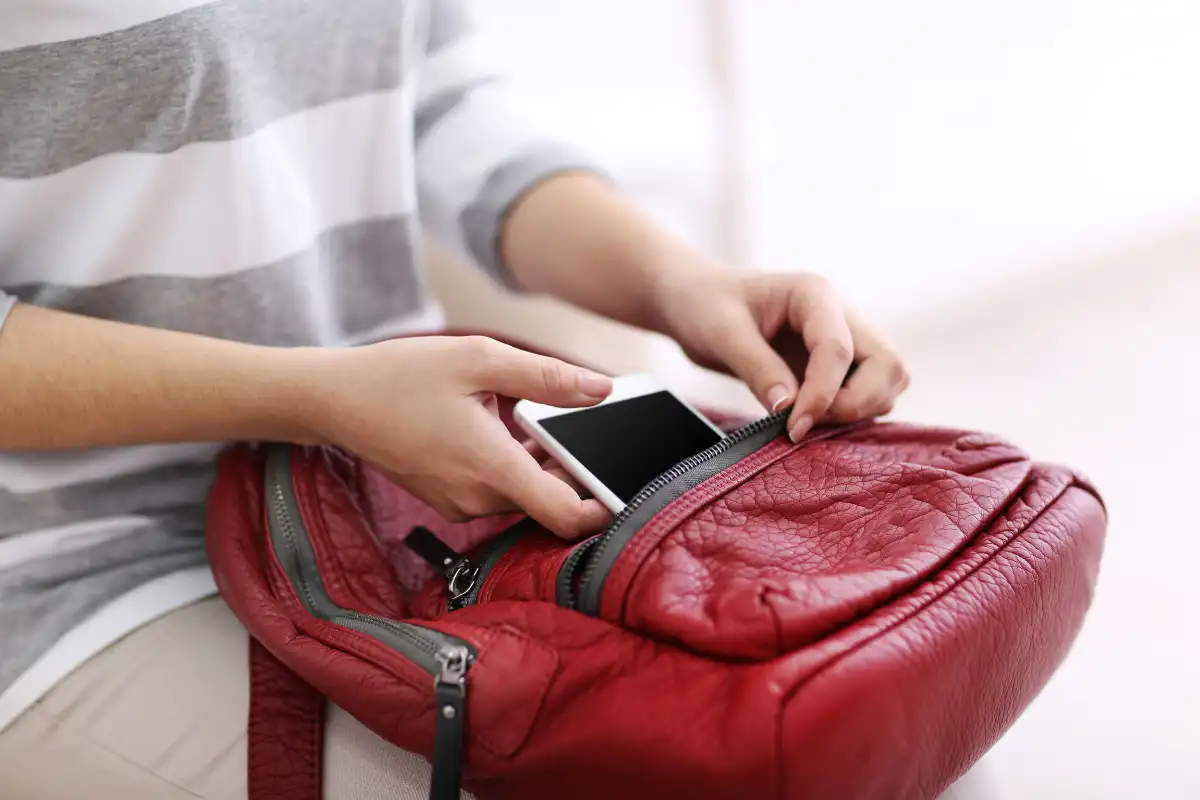
Many first-time clients wonder whether they can bring their phones, laptops, or other electronics to rehab. Policies vary significantly between treatment centers. Some programs limit or restrict electronics to reduce distractions and encourage full participation in treatment. Others may allow limited supervised use. Before packing electronics, ask the facility about approved devices.
Potentially allowed items may include:
- Alarm clock
- Cell phone
- Phone charger
- Laptop for approved work purposes
- MP3 player without internet access
Facilities often prohibit:
- Cameras
- Gaming systems
- Smartwatches
- Devices with internet access during detox
- Recording devices
At rehab, limiting digital distractions can help clients become more present, engaged, and emotionally connected during treatment.
Money and Valuables
It is best to bring only a small amount of cash and avoid expensive or sentimental valuables.
You may want to bring:
- Small amount of cash for vending machines or incidental purchases
- Debit card if approved
Avoid bringing:
- Expensive jewelry
- Large sums of money
- Designer accessories
- Irreplaceable sentimental items
Most rehab centers are safe environments, but minimizing valuables helps prevent stress and distractions during treatment.
What NOT to Bring to Rehab
Understanding what not to bring is just as important as knowing what to pack. Treatment facilities have strict rules designed to protect the safety and recovery of all clients.
Common prohibited items include:
- Drugs or alcohol
- Weapons of any kind
- Drug paraphernalia
- Pornographic material
- Clothing promoting drugs or violence
- Unapproved medications
- Candles or lighters
- Aerosol products
- Energy drinks
- Gambling materials
Facilities typically inspect luggage during intake to ensure all items comply with program rules.
Preparing Emotionally for Rehab
Packing for rehab is not only about physical belongings. Emotional preparation also plays an important role in beginning treatment successfully.
Many first-time clients feel nervous, uncertain, or afraid before entering rehab. These feelings are completely normal. Addiction recovery involves stepping into unfamiliar territory, but treatment provides structure, support, and professional guidance to help individuals heal.
Some ways to prepare emotionally include:
- Keeping an open mind
- Setting realistic expectations
- Focusing on long-term goals
- Communicating honestly with staff
- Letting loved ones know how to support you
- Remembering that recovery is a process
Rehab is not about punishment. It is about creating a healthier, more stable future.
What Happens During Intake at Rehab
When you arrive at rehab, staff members will guide you through the admissions and intake process. This often includes:
- Medical evaluations
- Mental health assessments
- Review of medications
- Luggage inspection
- Orientation to the facility
- Discussion of treatment goals
The purpose of intake is to help create a safe and personalized treatment plan that meets your specific needs.
At 10 Acre Ranch, clients receive individualized support from experienced professionals who understand the challenges of addiction and early recovery.
Tips for Family Members Helping Someone Pack
Family members often play an important role when a loved one enters rehab. Helping someone pack thoughtfully and calmly can ease anxiety and make the transition smoother.
Helpful tips for families include:
- Double-check the approved packing list
- Label important belongings
- Avoid overpacking
- Offer emotional encouragement
- Stay positive and supportive
- Focus on recovery rather than fear

Entering treatment can be emotional for everyone involved, but rehab is often the beginning of meaningful and lasting change.
Why Choosing the Right Rehab Matters
Packing properly is important, but choosing the right rehab center is even more critical. Effective addiction treatment should address the physical, emotional, behavioral, and psychological aspects of substance use disorders.
A quality rehab program offers:
- Medical detox support
- Individual therapy
- Group counseling
- Relapse prevention planning
- Mental health treatment
- Life skills development
- Family support
- Long-term recovery planning
At 10 Acre Ranch, clients receive compassionate, evidence-based care in a structured Southern California recovery environment designed to support lasting sobriety.
Final Thoughts
Entering rehab for the first time is a courageous step toward a healthier future. While preparing for treatment may feel stressful, having a clear packing plan can make the transition easier and help you feel more confident on admission day.
The most important thing to remember is that rehab is an opportunity for healing, growth, and transformation. Bringing the right essentials allows you to focus less on logistics and more on your recovery journey.
If you or someone you love is struggling with addiction, 10 Acre Ranch in Southern California provides professional drug and alcohol treatment designed to help men build a strong foundation for lifelong recovery.